Advancements in CFET Technology Promise Faster, Smaller, and More Reliable Semiconductor Transistors
July 21, 2026
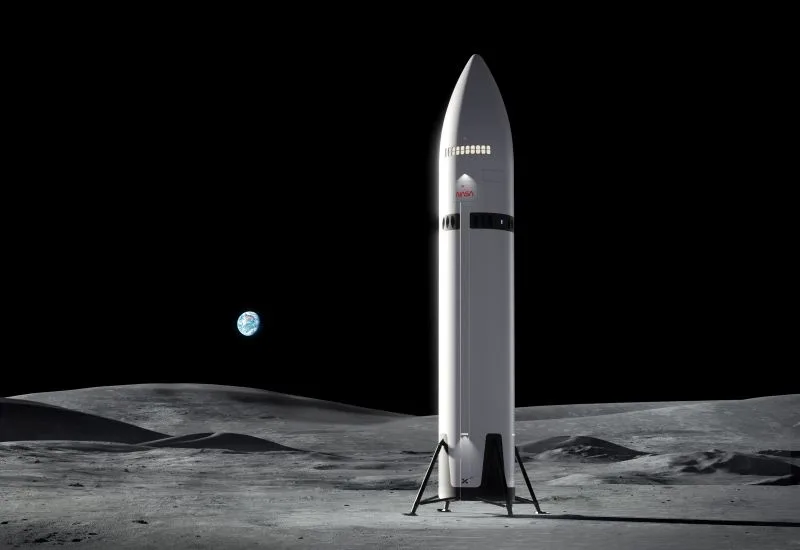
Ambitious plans for humanity’s presence beyond Earth continue to gain momentum, with aerospace startup Voyager Technologies setting its sights on the Moon. Dylan Taylor, CEO of Voyager Technologies, has expressed optimism that by the end of this decade, humans will begin actively exploring and establishing a foothold on the lunar surface. This breakthrough is envisioned as paving the way for extended periods of living and working on the Moon by the early 2030s.
While space visionaries like Elon Musk have famously championed Mars colonization, Voyager Technologies is focused on the Moon as an initial stepping stone for expanded human activity in space. The company’s outlook suggests that the Moon will transition from a destination for short-term missions and robotic exploration to a viable environment for sustained human activity.
According to Dylan Taylor, the goal is not only to establish a human presence but to enable ongoing operations where people can live and conduct work on the Moon for extended durations. This includes creating infrastructure and ecosystems supportive of off-world habitation and industries that may leverage lunar resources.
The broader aerospace and technology industries have expressed increased interest in lunar initiatives as advancements in space transport, habitat construction, and life support systems continue to evolve. This interest is underscored by growing national and commercial programs aimed at returning humans to the Moon and developing a permanent base of operations.
Although specific timelines, technical details, or funding arrangements have not been publicly outlined by Voyager Technologies, the company’s leadership remains confident in the feasibility of establishing human operations on the Moon within the forthcoming decade and beyond. The vision aligns with an emerging consensus that humanity’s next frontier includes consistent presence beyond Earth’s orbit, starting with the Moon as a practical platform.
Such developments would mark a significant shift from the Apollo-era missions, which focused on short stays and exploration, toward creating a sustainable human habitat in space. Living and working on the Moon could unlock new scientific discoveries and foster industries centered on lunar resources, potentially revolutionizing space exploration and technology.
Voyager Technologies’ CEO envisions humans living and working on the Moon by early next decade, advancing beyond initial exploration efforts.