
Popular PC Components in Russia Highlight Nvidia RTX 50 Series and 1TB NVMe SSDs
July 21, 2026
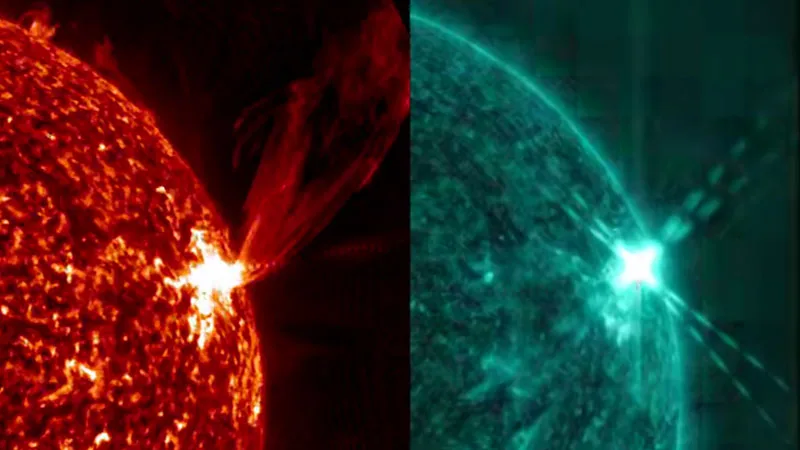
Overnight observations have recorded a substantial solar flare classified as X2.5, marking it as the most powerful flare detected in recent months. This event ranks as the second most intense solar flare since the beginning of the year, according to data from the Solar Astronomy Laboratory of the Space Research Institute of the Russian Academy of Sciences.
X-class flares are known for their extreme energy release and are among the strongest bursts of solar radiation. The latest flare was accompanied by a significant plasma ejection, which was clearly captured in images from space-based solar telescopes. These coronal mass ejections (CMEs) involve massive amounts of charged particles being expelled from the solar atmosphere.
Such energetic solar events have the potential to influence space weather conditions that can impact satellite operations, communication systems, and even power grids on Earth. The plasma flows following the flare are closely monitored by space weather forecasting agencies to assess any possible disruptions or geomagnetic storms that may result.
The event adds to ongoing observations of solar activity during the current cycle, helping researchers better understand the mechanisms behind solar flares and their broader effects on the heliosphere. Continuous observation from space telescopes and ground-based observatories remains crucial to advance predictive capabilities for solar-driven disturbances.
While this flare represents a notable spike in solar intensity over recent months, it underscores the dynamic environment of the Sun and the importance of monitoring its activity for technological infrastructure and space exploration safety.
An X2.5-class solar flare, the most intense in over two months, was observed with significant plasma ejection affecting space weather monitoring.