Oracle’s Debt Challenges Threaten AI Data Center Project for OpenAI
July 21, 2026
Scientists in China have introduced a novel battery technology that emphasizes environmental safety and non-toxicity through the use of an innovative electrolyte. Moving away from the commonly used acidic or alkaline electrolytes, the new battery incorporates a neutral aqueous solution based on magnesium chloride (MgCl₂) or calcium chloride (CaCl₂) salts.
The neutral pH level (7.0) of the electrolyte matches that of a harmless brine solution, comparable in composition and safety to nigari, which is traditionally used as a coagulant in tofu production. This marks a significant departure from conventional battery electrolytes that involve hazardous chemicals prone to environmental harm and safety concerns.
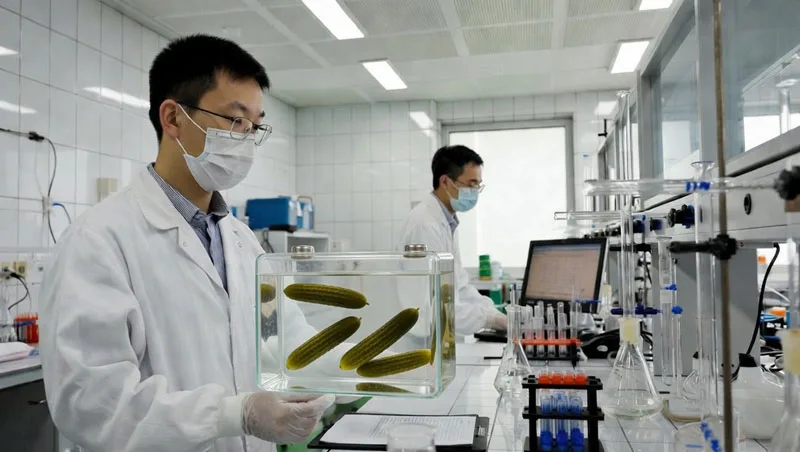
Due to its mild and benign nature, the electrolyte is believed to be safe enough for uses beyond batteries; it could even be applied for food-related processes such as pickling cucumbers, highlighting the exceptional purity and environmental compatibility of the solution.
The development underscores a broader effort in energy storage research to create sustainable, non-polluting battery components without compromising performance. By substituting aggressive chemical electrolytes with a neutral and naturally derived counterpart, these new batteries have the potential to reduce ecological impact during manufacturing, usage, and disposal.
Though details regarding performance metrics, cost, and commercial availability have not been disclosed, this advancement points toward a future where cleaner battery technologies may become more mainstream. The Chinese research marks a meaningful step forward on the path to greener energy storage solutions, aligning with global priorities to mitigate environmental risks associated with current battery production and use.
This innovation could offer an alternative for industries looking to adopt safer, more sustainable energy storage options while minimizing hazardous waste generation. Continued research and development efforts are expected to refine the technology and evaluate its scalability for practical applications in electric vehicles, portable electronics, and large-scale energy grids.
A new battery design from China employs a neutral, magnesium or calcium-based electrolyte resembling a traditional food-grade brine.