Oracle’s Debt Challenges Threaten AI Data Center Project for OpenAI
July 21, 2026
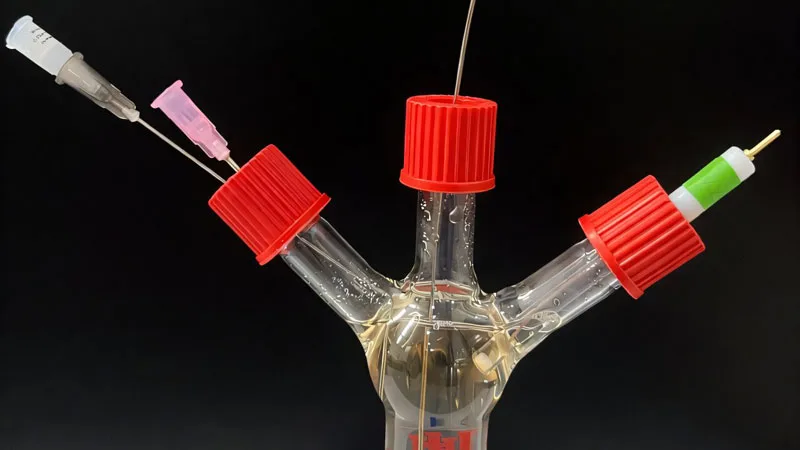
Researchers have introduced a novel bioelectronic sensor system that exploits live bacteria to generate electrical signals when detecting hazardous substances in liquids. This breakthrough technology employs a specially designed hydrogel matrix composed of chitosan, a natural polymer primarily extracted from crustacean shells.
The core of this innovation lies in integrating live bacteria within a chitosan-based hydrogel, effectively immobilizing the microorganisms in a controlled environment. When these bacteria encounter specific harmful compounds within a liquid sample, they respond by producing measurable electrical signals. This response provides a clear and immediate indication of contamination or danger.
Chitosan, a biocompatible and biodegradable polysaccharide, offers an ideal scaffold for embedding the bacteria, ensuring their stability while maintaining safety for various applications. The use of chitosan-based hydrogels additionally aligns with sustainability goals, given its natural origin and environmentally benign properties.
This biosensing approach is noted for its harmlessness, making it especially suitable for applications where safety is paramount, such as food quality control. To demonstrate its practical utility, the researchers conducted tests on milk samples, successfully detecting unwanted impurities without posing any threat to the product or consumer.
The technology opens pathways for future environmentally friendly sensors that could be used not only in food safety monitoring but also in environmental surveillance and health diagnostics. By leveraging the natural biological activity of bacteria in a bioelectronic context, this system provides a promising alternative to conventional chemical and electronic detectors.
Although specifics regarding commercial availability and pricing remain unreported, this development reflects a growing trend toward integrating living organisms with electronic systems to enhance sensitivity and selectivity in detecting harmful substances.
Future research may focus on expanding the range of detectable substances and further refining the hydrogel matrix to improve bacterial viability and responsiveness under diverse conditions.
Researchers create bioelectronic sensors using live bacteria in hydrogels to detect harmful substances by producing electrical signals.