Tag: nanotechnology

Researchers Achieve Synchronization of Over 105,000 Nanooscillators, Paving Way for Faster Computing Alternatives
Scientists synchronized more than 105,000 nanooscillators in under 50 nanoseconds, advancing spintronic computing beyond silicon transistors.
Read More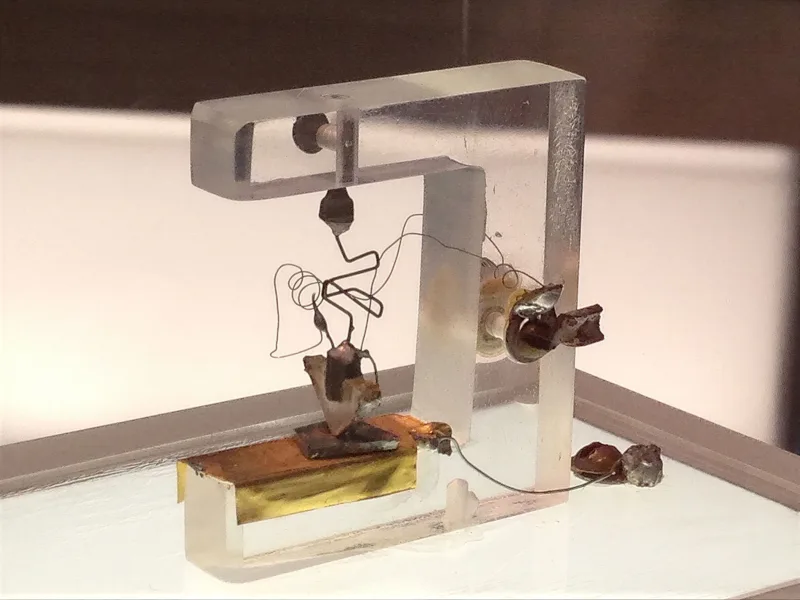
Exploring Spintronics: The Next Frontier in Data Processing
Spintronics leverages electron spin alongside charge, promising new approaches for data operations as traditional microelectronics near limits.
Read MoreIBM Unveils Industry’s First 0.7nm Chip Manufacturing Process with 3D Nanostacked Transistor Architecture
IBM announces a breakthrough 0.7nm semiconductor process featuring Gate-All-Around 3D nanostacked transistors, targeting commercial use by 2031.
Read More
Researchers Develop Prototype Ultra-Energy-Efficient Transistor Using Quantum Electron Behavior
A US research team has built a prototype transistor exploiting quantum electron wave effects, delivering significantly stronger output signals with minimal power.
Read More
Singapore Researchers Develop Ultra-Black Car Paint That Appears as a Visual Void
A Singapore-based firm has created an ultra-black automotive coating that absorbs nearly all light, making surfaces seem like visual voids.
Read More
Samsung Develops World’s Smallest 3D Transistors with 42nm Gate Pitch
Samsung engineers achieve a milestone with the smallest 3D transistors featuring a 42nm gate pitch, advancing chip miniaturization.
Read More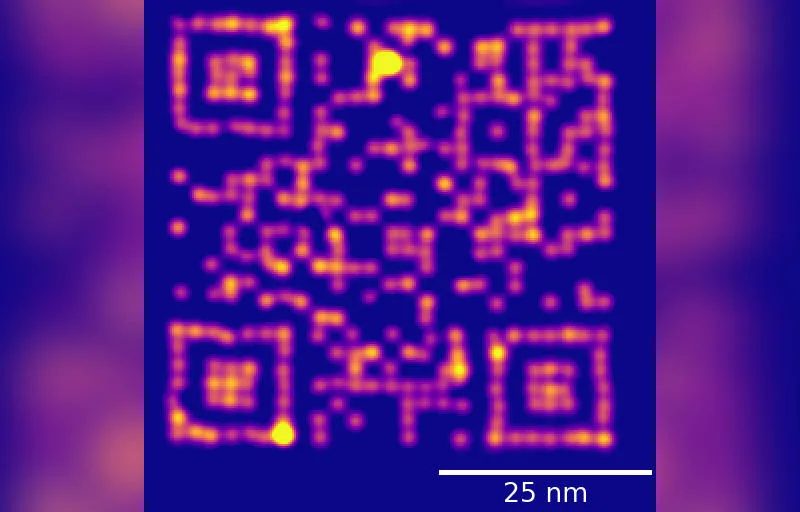
Researchers Create World’s Smallest QR Code Using Individual Silver Atoms
Scientists from Monash University and Czech Academy of Sciences have developed the tiniest QR code ever, made from single silver atoms.
Read More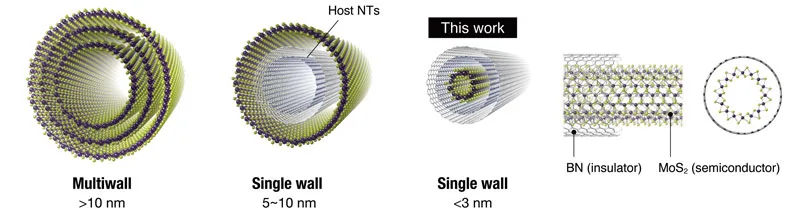
Japanese Scientists Develop 1-nanometer Semiconductor Nanotubes with Potential for Advanced Electronics
Researchers in Japan have created semiconductor nanotubes made of molybdenum disulfide just 1 nm in diameter, offering promise for next-gen electronics.
Read More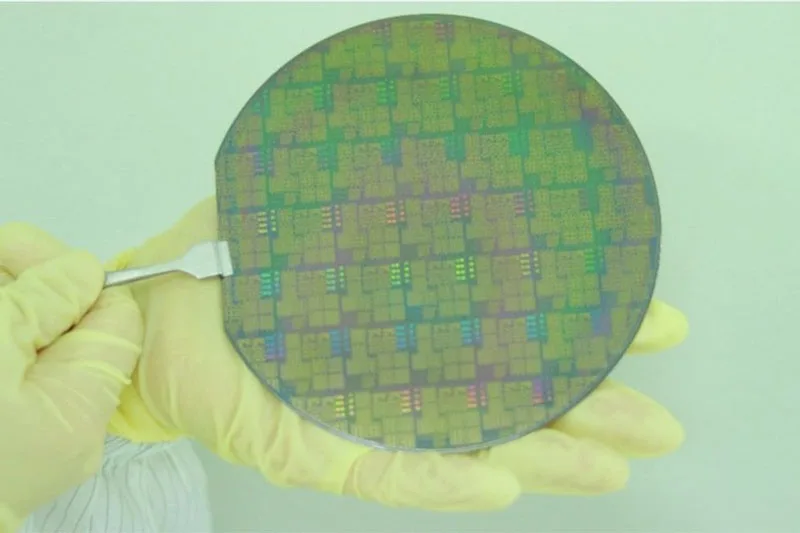
Huawei Develops RISC Processor Featuring 2D Transistors to Compete Without EUV Lithography
Huawei and Nanjing University created a RISC processor using 2D transistors, aiming to match chip density without advanced EUV lithography.
Read More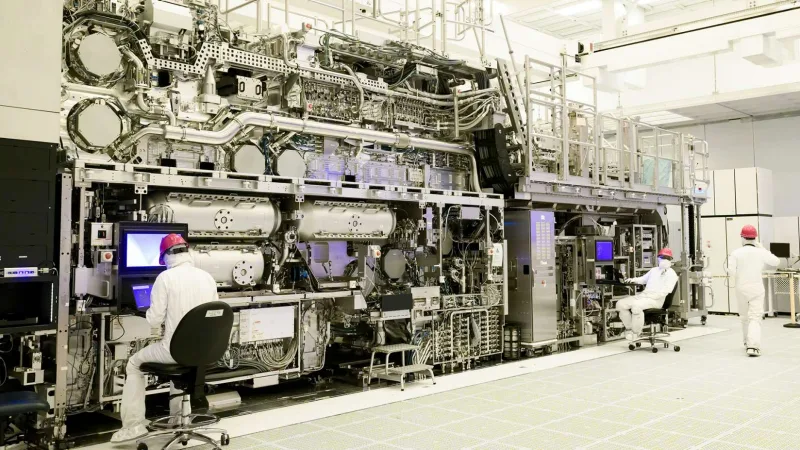
Exploring the Future of High-NA EUV Photolithography Beyond Current Limits
High-NA EUV photolithography at 13.5 nm currently leads semiconductor manufacturing but faces challenges in further miniaturization.
Read More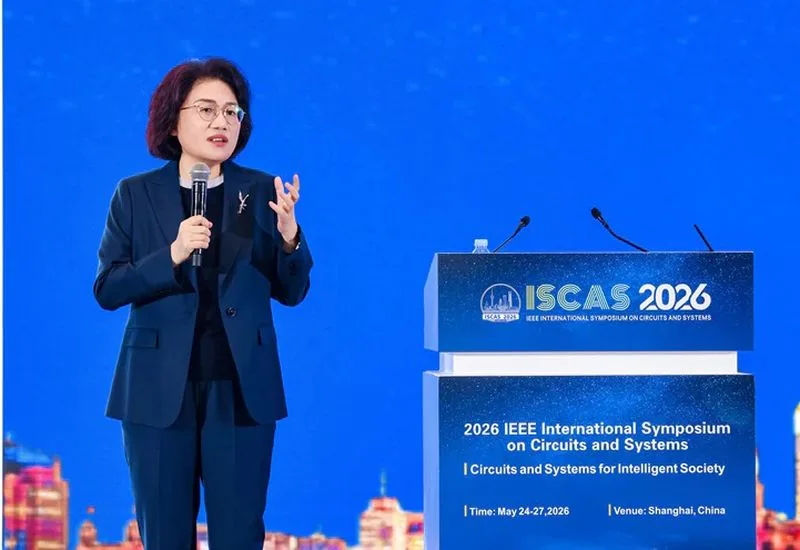
Huawei Aims to Match Western 1.4-Nanometer Chips by 2031 with New Signal Timing Optimization Approach
At ISCAS 2026 in Shanghai, Huawei reveals plans to surpass Moore’s Law limits by focusing on signal transmission timing to enhance chip performance.
Read More
Scientists Unlock the Mechanism Behind Diamond Superconductivity, Paving Way for Advances in Quantum and Hybrid Electronics
US researchers have revealed how diamonds become superconducting, enabling tailored applications in quantum computing and hybrid electronics.
Read More