Oracle’s Debt Challenges Threaten AI Data Center Project for OpenAI
July 21, 2026
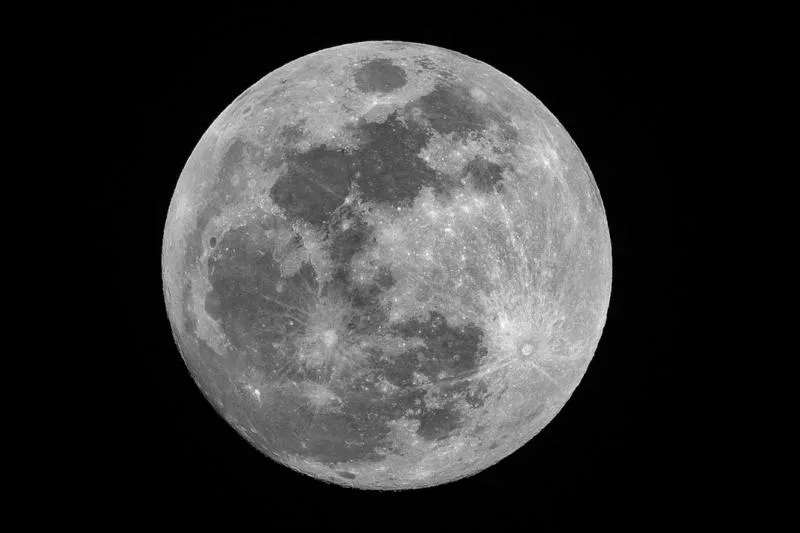
NASA has announced a new mission designed to explore how flames behave beyond Earth, specifically by studying fire in the Moon’s unique environment. This initiative, titled Flammability of Materials on the Moon (FM2), aims to deepen scientific understanding of combustion processes in low-gravity conditions.
Scheduled for late 2026, the FM2 mission will deliver four solid fuel samples to the lunar surface. These samples will be ignited and monitored over an extended period to observe the characteristics and behavior of fire under the Moon’s gravitational influence, which is roughly one-sixth that of Earth.
Understanding fire dynamics in reduced gravity is critical, especially as space agencies prepare for longer-duration missions and potential human settlements on the Moon and other planetary bodies. Fire safety protocols and material flammability assessments must consider the distinct physical conditions experienced off Earth.
The FM2 experiment will provide valuable data on how flames spread, burn rate variations, and the interplay between combustion and the lunar environment. Prior terrestrial experiments have highlighted significant differences in fire behavior under microgravity and partial gravity; however, direct studies on the Moon’s surface have yet to be conducted.
This research could inform the development of safer spacecraft interiors, habitat materials, and emergency response measures necessary for astronaut safety. Moreover, the insights gained may influence the design of life support and propulsion systems where controlled combustion plays a role.
Although detailed mission logistics, including the transport vehicle and specific launch dates, were not fully disclosed, the successful execution of FM2 would mark a milestone in extraterrestrial fire science. NASA’s efforts to simulate and analyze terrestrial phenomena in off-world settings underscore the broader push to prepare for sustained human presence beyond Earth’s atmosphere.
The FM2 project aligns with NASA’s broader Artemis program goals and ongoing lunar exploration strategy, emphasizing in-situ experimentation to address challenges unique to space environments.
NASA will send solid fuel samples to the Moon in 2026 to investigate fire dynamics under lunar gravity.