Honor Launches X7e Smartphone in Russia Featuring 7200mAh Battery and AI Shortcut Button
July 21, 2026
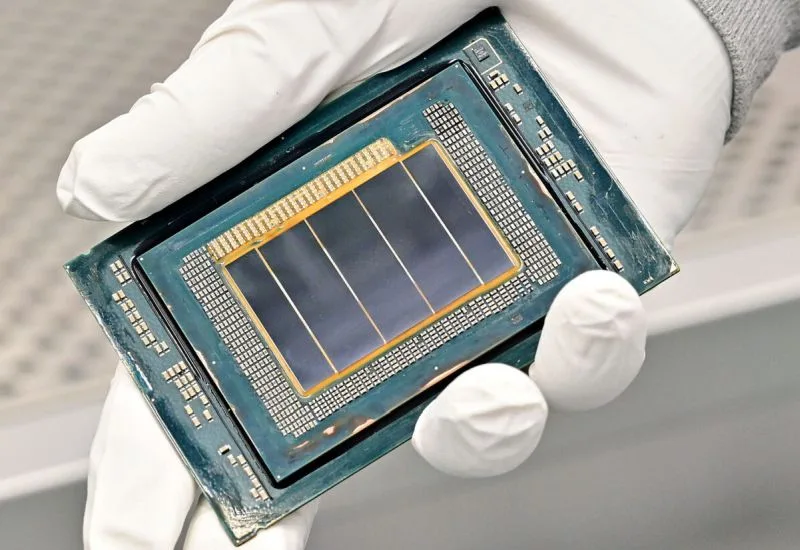
Intel recently highlighted advancements in manufacturing quality within its semiconductor fabrication operations, particularly across its Intel 4, Intel 3, and 18A process nodes. The improvements focus on yield rates—the percentage of functional chips produced per wafer—which have shown meaningful progress.
With the semiconductor industry facing intense competition and high production demands, yield rates remain a crucial metric for manufacturers. Intel’s foundry business, which operates as a contract manufacturer producing chips for external clients, reported better yield performance over the past year. These gains span the full range of chip technologies produced at scale by the company.
Intel’s foundry segment recently disclosed its financial results separately, revealing an increase in annual revenue from $4.7 billion to $5.4 billion. Despite this growth in top-line sales, the division was unable to avoid operating losses, which amounted to approximately $2.4 billion during the reported period. This highlights ongoing challenges in scaling advanced process technologies efficiently while meeting cost targets.
The demonstration of higher yields across Intel 4, Intel 3, and 18A process nodes is significant because these technologies underpin Intel’s effort to compete in the cutting-edge semiconductor space. Improving yield reduces the number of defective chips per batch, enabling better cost control and production efficiency. It also helps position Intel to better serve customers looking for customized chip manufacturing through its expanded foundry services.
The Intel 4 and 3 nodes represent advanced manufacturing processes that use smaller transistor sizes to deliver higher performance and efficiency in chips. The 18A node, a more recent development, is part of Intel’s roadmap for future fabrication technologies, promising further enhancements in transistor design and wafer processing techniques.
Overall, the reported improvements reflect Intel’s ongoing commitment to advancing its semiconductor manufacturing capabilities amid a challenging market landscape. The ability to increase operational yields will be a key factor in improving the profitability and competitiveness of Intel’s foundry business moving forward.
Intel’s foundry division shows improved chip yield rates for Intel 4, 3, and 18A processes despite ongoing operational losses.