Microsoft Addresses Concerns Over Xbox Staff Cuts and H-1B Visa Replacements
July 11, 2026

The rapid expansion of artificial intelligence technologies has triggered significant financial gains for engineers working in South Korea’s memory chip manufacturing industry. This sudden surge in income, however, is creating divisions within the country’s workforce and broader society.
Following a rise in demand for memory chips, engineers at major South Korean semiconductor firms have experienced unprecedented compensation increases. At Samsung Electronics, workers involved in memory production recently staged a strike to secure bonuses exceeding $400,000 per person this year. This action underscores the tension surrounding income disparities even within high-tech companies.
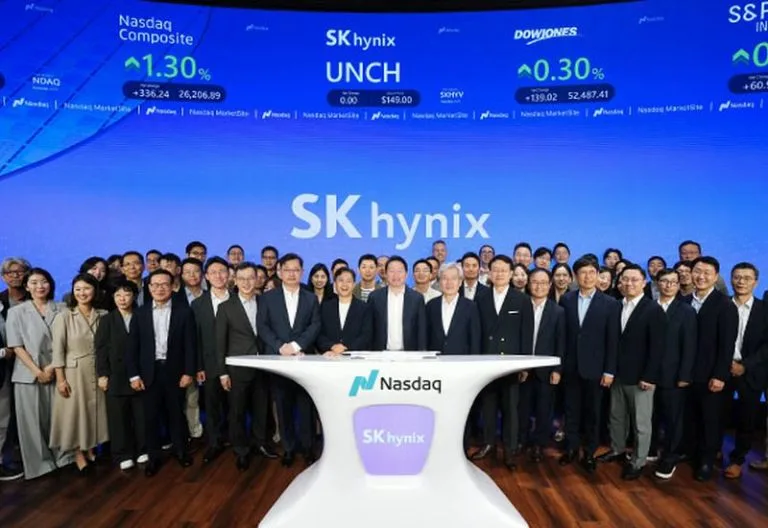
Conversely, engineers at SK hynix, another leading memory manufacturer, have already been receiving comparable large-scale bonuses, indicating a competitive industry-wide trend where select employees are substantially benefiting from the AI-induced surge in chip demand. These developments highlight how lucrative rewards tied to critical components of AI infrastructure can vary among industry players and employee groups.
The emergence of a new class of tech specialists with sharply increased earnings is fostering frustration among the wider South Korean public. Socioeconomic divisions appear to be widening as the benefits of the AI boom are unevenly distributed, raising concerns about wage gaps and social stratification. Many observers note that while some workers enjoy sudden wealth, others face stagnant wages or job insecurity.
This situation reflects broader challenges that arise when rapid technological advancement accelerates economic shifts within established industries. South Korea’s semiconductor sector, a global powerhouse, now finds itself at the center of discussions about equitable compensation and the social implications of wealth concentration among tech engineers.
Moving forward, industry stakeholders and policymakers will need to consider how to balance rewarding critical expertise in fields like memory chip manufacturing with maintaining social cohesion. As AI continues to drive demand for advanced hardware components, the disparities in pay and working conditions could become an increasingly prominent issue in South Korea’s labor landscape.
AI-driven demand has made memory chip engineers in South Korea suddenly wealthy, fueling social tensions and disparities in income.