Crushed in Time Introduces Innovative Mechanics to a Fading Quest Genre
July 11, 2026
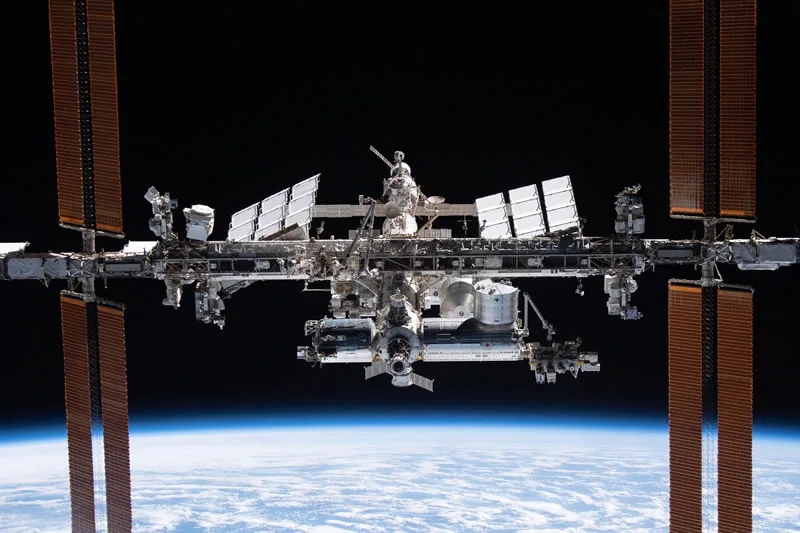
NASA has taken a significant step towards the future of human spaceflight by publishing a Request for Proposals (RFP) that sets forth the technical and operational requirements for commercial space stations. This initiative aims to facilitate a smooth transition from the International Space Station (ISS) to private orbital habitats, ensuring an unbroken human presence in low Earth orbit (LEO).
The upcoming phase in NASA’s space station program seeks to move away from reliance on the ISS to encourage the development of privately owned and operated space stations. These new orbiting platforms are envisioned to provide continuous crewed operations without any gap once the ISS is eventually retired. By defining clear standards and expectations in the RFP, NASA intends to support commercial entities in building sustainable infrastructure in space, which could also cater to scientific research, technology development, and potentially other commercial applications.
This approach aligns with NASA’s broader strategy to stimulate a growing market in LEO activities while prioritizing human exploration missions beyond Earth’s orbit. By transferring the responsibility of maintaining orbital habitats to commercial operators, NASA can focus more resources on deep space endeavors such as lunar missions and Mars exploration.
The RFP document presents detailed performance and safety criteria necessary for future stations, covering aspects such as life support systems, crew accommodations, and operational sustainability. While the specifics of station designs, costs, and operational models remain subject to proposals from prospective vendors, NASA’s outline provides a comprehensive foundation to guide industry players toward meeting the agency’s objectives.
Continued human presence in low Earth orbit is viewed as critical not just for research and exploration but also as a platform for commercial activities, including manufacturing and tourism. This initiative is representative of a growing shift toward public-private partnerships in space development, encouraging investment from private companies and fostering innovation.
The release of this RFP underscores NASA’s commitment to maintaining leadership in space exploration while opening the door to a new era of commercial space stations. As companies respond to these requirements, the coming years may witness a diversification of orbital habitats and expanded opportunities for human activities in space.
NASA has released a Request for Proposals defining criteria for private orbiting platforms to maintain continuous human presence after the ISS.