Crushed in Time Introduces Innovative Mechanics to a Fading Quest Genre
July 11, 2026
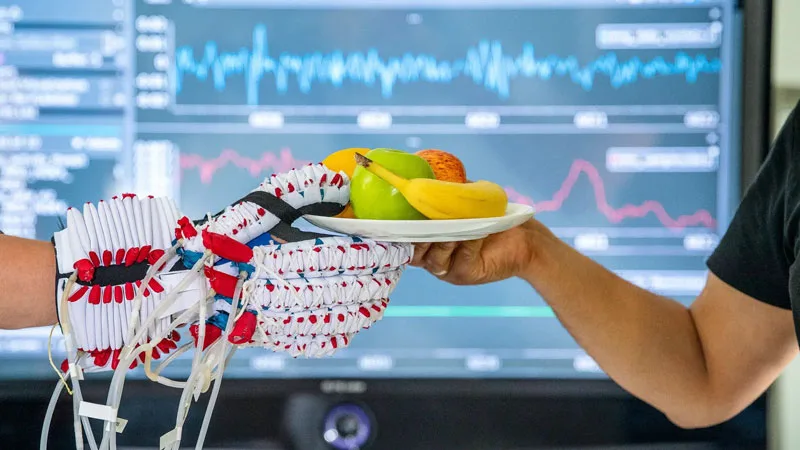
Scientists at the Technical University of Munich (TUM) in collaboration with the Passauer Wolf Rehabilitation Center have unveiled a new soft exoskeleton glove designed to aid individuals suffering from severe hand paralysis. This innovative device aims to restore gripping ability by combining a lightweight textile foundation with pneumatic technology.
The development stands out due to its use of a flexible, textile-based structure that operates pneumatically, allowing for gentle and controlled assistance in hand movements. The glove’s design focuses on enabling users with significant motor impairments to regain partial hand functionality, particularly in grasping objects, which can be a major challenge for paralysis patients.
Unlike traditional rigid exoskeletons that tend to be bulky and expensive, this approach leverages soft robotics principles to create a more adaptable and comfortable wearable. The pneumatic actuation system provides the necessary force to assist finger flexion and extension without hindering natural movement, making it easier for users to perform daily tasks.
The research team emphasized cost-effectiveness in their design, which could make this technology accessible to a broader range of patients. Lower production expenses coupled with the glove’s lightweight and unrestrictive nature have the potential to improve rehabilitation outcomes by facilitating prolonged use in real-life environments.
Restoring hand function holds significant importance in enhancing the quality of life for individuals affected by paralysis resulting from conditions such as stroke or spinal cord injury. Devices like this soft exoskeleton glove represent a promising advancement in assistive technology, bridging the gap between traditional therapy methods and robotic assistance.
While specific details regarding commercialization or widespread availability remain to be disclosed, this breakthrough highlights ongoing efforts in the medical and engineering communities to develop effective, affordable solutions that address critical challenges in motor recovery.
Further studies and clinical trials are expected to assess the glove’s long-term efficacy and user experience, ultimately paving the way for integration into rehabilitation programs globally.
Engineers create a lightweight pneumatic soft exoskeleton glove that helps restore hand grip functionality for people with severe paralysis.