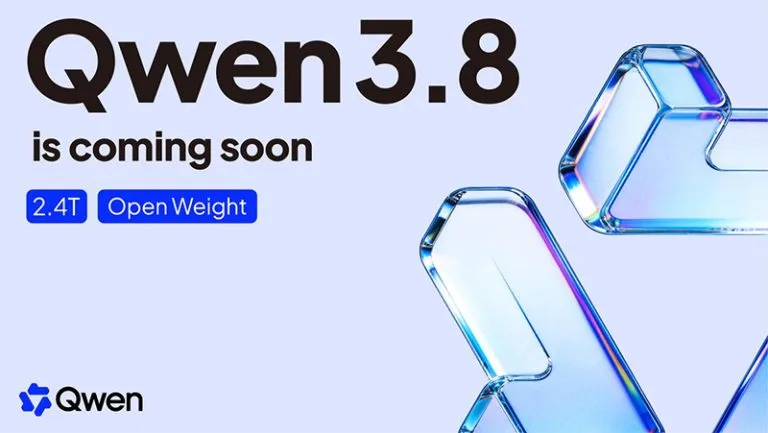
Alibaba Unveils 2.4 Trillion Parameter AI Model Qwen3.8 with Multimodal Capabilities
July 19, 2026
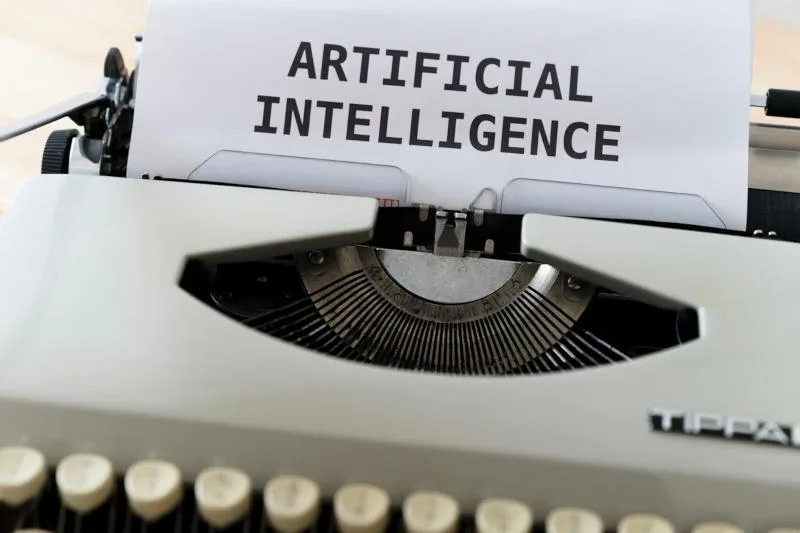
Artificial intelligence is increasingly being integrated into the production of scientific articles, raising concerns over the ability to accurately determine the extent of AI involvement. As researchers note, identifying whether a scientific paper has been written by a human or generated by AI systems has become considerably challenging.
The presence of AI technologies in the scientific publishing landscape has expanded rapidly, with AI tools assisting in drafting, editing, and even generating entire sections of research papers. This trend is expected to continue, as machine learning models become more sophisticated in producing coherent and contextually relevant academic content.
One significant issue is the diminishing gap between text created by AI and that authored by humans. Recent studies referenced by Nature highlight the increasing difficulty experts face when attempting to distinguish artificially generated text from traditional scientific writing. This blurring of lines complicates the task of maintaining transparency regarding the authorship and authenticity of scientific research.
While AI offers potential benefits such as accelerating the writing process and aiding researchers in organizing information, its expanding role also prompts questions about the ethical and practical implications. Ensuring that scientific publications accurately represent human intellectual contributions remains an ongoing concern.
The current landscape suggests that the volume of AI-assisted or fully AI-generated scientific papers will continue to grow. This development calls for enhanced methods to verify authorship and preserve the integrity of scientific communication in the digital age.
The use of AI in scientific writing is rising, making it harder to distinguish machine-generated content from that authored by humans.