NASA Releases Stunning Time-Lapse of Mars Captured by Psyche Spacecraft
July 20, 2026
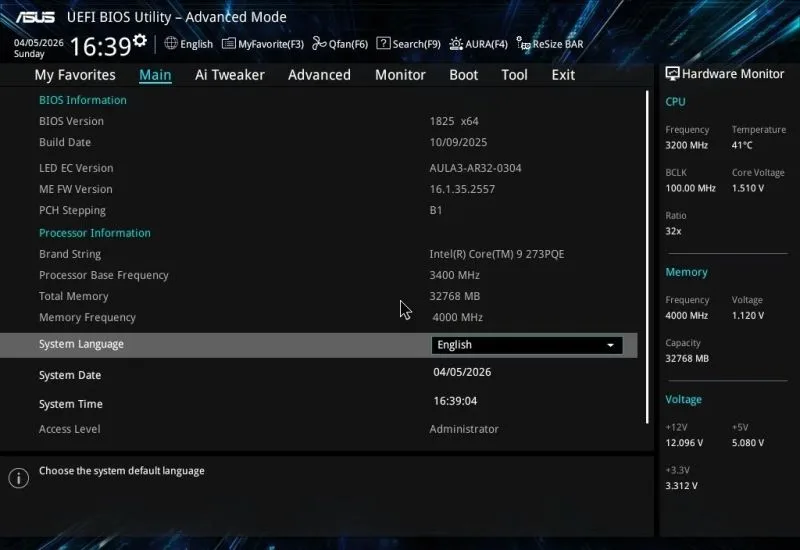
Enthusiasts have successfully run Windows on combinations of Intel Bartlett Lake processors and Intel Z790 motherboards, a pairing initially believed to be incompatible. This breakthrough was made possible through the use of generative artificial intelligence, which assisted in modifying firmware microcode without access to official developer documentation.
The Bartlett Lake series of Intel processors was not designed to work with the Z790 chipset motherboards, setting significant technical barriers for users hoping to pair the two directly. However, a group of private enthusiasts harnessed generative AI to experiment with and refine BIOS-level microcode modifications. These alterations allowed Windows to successfully boot on the unsupported hardware setup.
Typically, unlocking compatibility between hardware components like CPUs and chipsets requires extensive access to manufacturer specifications or cooperation from the developer. Generative AI tools provided an alternative path by generating microcode adjustments through analyzing patterns and behaviors in firmware without relying on proprietary documentation. This approach minimizes the need for deep technical disclosures from hardware makers.
This development highlights the growing role of AI-driven methodologies in hardware modding and firmware research. By enabling modifications that were previously impractical or impossible without insider knowledge, AI can expand the boundaries of compatibility and customization for consumer technology enthusiasts.
While the Bartlett Lake and Z790 combination is not officially supported by Intel, the ability to run Windows in this environment could open new avenues for testing and development on existing platforms. It may also push manufacturers to reconsider hardware compatibility and support policies in future Intel chipset and processor generations.
Pricing information, potential impacts on warranty, and widespread availability of these AI-driven BIOS modifications remain unspecified. However, this achievement serves as a notable example of how artificial intelligence can empower users to unlock and extend the functionality of complex hardware systems beyond their original design constraints.
Generative AI tools helped enthusiasts modify BIOS microcode to run Windows on Intel Bartlett Lake CPUs and Z790 motherboards despite incompatibility.