Honor Launches X7e Smartphone in Russia Featuring 7200mAh Battery and AI Shortcut Button
July 21, 2026
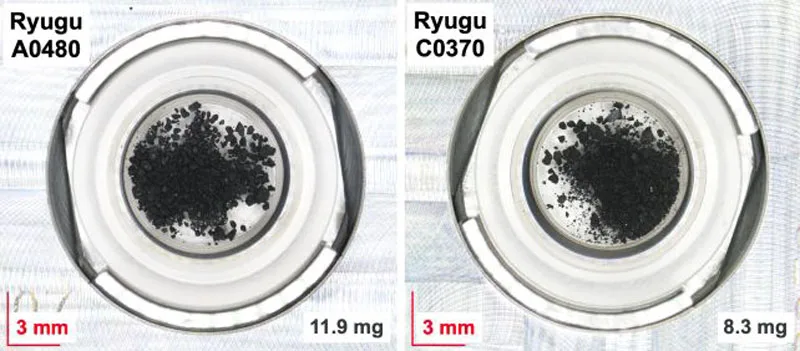
Recent analysis of material collected from asteroid Ryugu by the Japanese Hayabusa2 mission has provided compelling evidence supporting the extraterrestrial origins of the building blocks of life. Researchers confirmed the presence of all five fundamental nitrogenous bases that are integral to the structure of DNA and RNA.
The discovery encompasses adenine, guanine, cytosine, thymine, and uracil—molecules essential for the assembly and function of nucleic acids, the carriers of genetic information in all known forms of life on Earth. These nitrogenous bases form the core components of the genetic alphabet, making life as currently understood possible.
Scientists have long debated how the fundamental ingredients for life arrived on Earth. One hypothesis is that these organic molecules were delivered via celestial bodies such as asteroids and comets during the early solar system formation. The identification of all key nitrogenous bases in samples directly collected from an asteroid bolsters the argument that the building blocks of life can form in space and be transported to planetary surfaces.
The precise chemical analysis of the Ryugu asteroid samples is a notable advancement in astrobiology, as it moves beyond the detection of simple organic compounds to the unambiguous identification of complex nitrogenous bases. While prior meteorite studies hinted at such compounds, the Hayabusa2 mission’s extraterrestrial sample return offers uncontaminated materials and conclusive results.
This finding also adds to the growing body of research suggesting that some essential organic molecules necessary for life might be more widespread throughout the solar system than previously understood. Understanding the distribution and formation of these components helps scientists piece together the puzzle of life’s origins on Earth and enriches the search for life beyond our planet.
Scientists discovered all five fundamental nitrogenous bases essential for DNA and RNA in samples from asteroid Ryugu, supporting theories of life’s extraterrestrial origins.