China Accelerates Deployment of Humanoid Robots in Industry and Healthcare
June 12, 2026
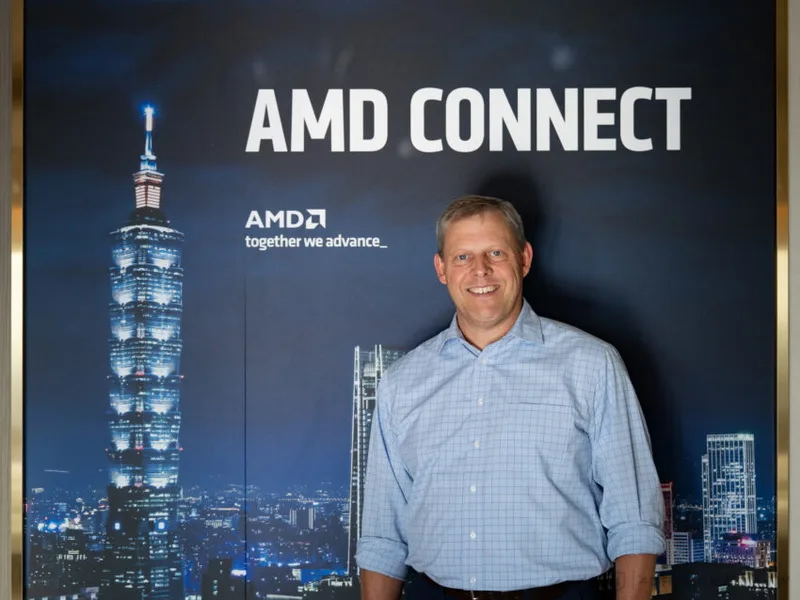
During Computex 2026, David McAfee, General Manager of AMD’s Radeon and Ryzen divisions, shared insights into the ongoing challenges affecting the DDR5 memory market. Speaking with industry media, McAfee addressed the continuing shortage of DDR5 modules and the impact on pricing trends.
The interview highlighted that despite industry efforts to ramp up production, DDR5 prices remain elevated due to supply constraints and technological transitions within the memory sector. McAfee indicated that the current market volatility is not expected to resolve immediately.
According to AMD’s projections, the normalization of DDR5 memory prices—returning to a more typical cost structure—could take up to two years. This extended period reflects broader supply chain difficulties and sustained demand for next-generation memory technology in consumer platforms.
McAfee also discussed AMD’s approach to long-term planning for its consumer CPU and GPU products, emphasizing the company’s need to adapt to evolving hardware availability while continuing to deliver performance improvements. The interview underscores the ongoing influence that component shortages have on product launches and platform optimization strategies.
While the exact timeline for price stabilization remains uncertain, AMD’s outlook provides a measured perspective on supply dynamics affecting DDR5 memory. Industry observers note that overcoming these challenges involves balancing increased manufacturing capacity with growth in new system deployments utilizing DDR5 technology.
The transition from DDR4 to DDR5 has been marked by initial supply bottlenecks and higher manufacturing costs, factors that have contributed to the inflated price points seen throughout 2025 and into 2026. As newer platforms from AMD and other vendors increasingly rely on DDR5, demand is expected to remain strong, potentially prolonging price pressures.
Despite higher costs, DDR5 offers performance enhancements that align with advances in computing workloads and gaming requirements—a key consideration for AMD as it plans future Ryzen and Radeon product iterations. The two-year forecast for price normalization implies that consumers and system builders may continue to face premium pricing for DDR5 memory modules for the foreseeable future.
In summary, AMD’s projection signals ongoing challenges within the memory market, driven by supply chain complexities and demand dynamics. This outlook serves as a crucial input for industry players and consumers managing the transition to DDR5-based platforms over the next several years.
AMD expects DDR5 RAM prices to normalize only after a two-year period amid ongoing supply shortages and market challenges.