Non-x86 Server Architectures Capture Nearly Half of the Market Amid AI Growth
June 18, 2026
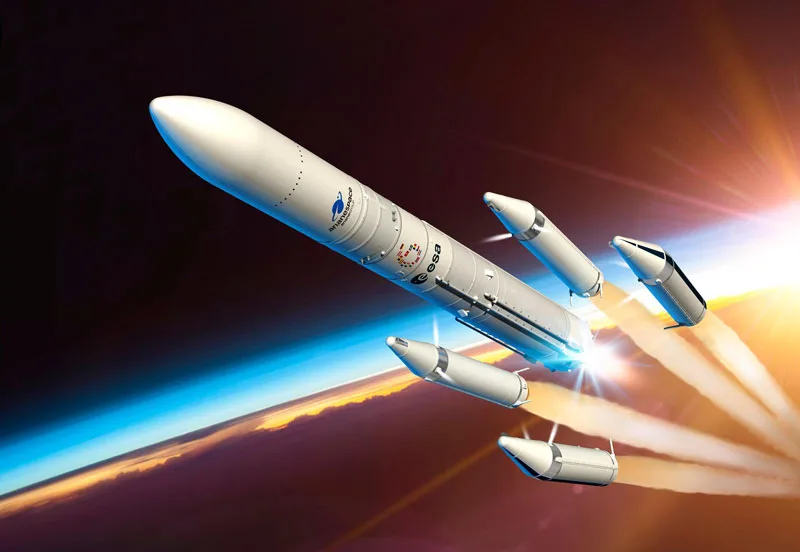
Europe marked a significant milestone in its space capabilities as the Ariane 6 rocket took off from the Guiana Space Centre in French Guiana, carrying 36 Amazon Low Earth Orbit (LEO) satellites. This launch represents the first time Ariane 6 has flown in its most powerful configuration, emphasizing Europe’s renewed commitment to maintaining independent heavy-lift launch capacity.
The Ariane 6 mission, which experienced a brief delay before liftoff, successfully delivered a large cluster of satellites into orbit for the commercial Amazon LEO network. This deployment underscores the rocket’s ability to handle substantial payloads, a crucial factor for both commercial and governmental space operations. The successful insertion of 36 satellites simultaneously showcases the rocket’s payload versatility and operational reliability.
This launch is not merely another entry in the commercial spaceflight catalog; it carries strategic importance for the European space sector. Demonstrating a fully operational heavy-lift launch vehicle allows Europe to compete confidently with other global launch providers and supports expanded access to space for European and international customers. Ariane 6’s heavy configuration fills a vital role in deploying large constellations of satellites, essential for emerging broadband and communication networks.
The Ariane 6 rocket, developed by the European Space Agency with contributions from Airbus and other partners, is designed to succeed the Ariane 5, promising enhanced flexibility and cost efficiency. This mission’s success reinforces Europe’s capability to independently launch significant payloads into orbit, bolstering the region’s strategic autonomy in space infrastructure deployment.
While details on future launch schedules and pricing have yet to be disclosed, the achievement sets a foundation for subsequent heavy-lift missions. It highlights Europe’s readiness to support commercial satellite constellations and contributes to advancing the technological ecosystem surrounding space access and operations.
With this groundwork established, the Ariane 6 is positioned to play a critical role in meeting growing orbital demand from telecommunications, Earth observation, and scientific communities. The launch also demonstrates the effectiveness of the Guiana Space Centre as a prime equatorial launch site, offering operational advantages inherent to its location near the equator.
Europe’s Ariane 6 rocket successfully launched in its heaviest setup, deploying 36 Amazon LEO satellites from French Guiana.