Apple’s Second-Gen iPhone Air Expected to Feature Dual Cameras and Longer Battery Life
June 18, 2026
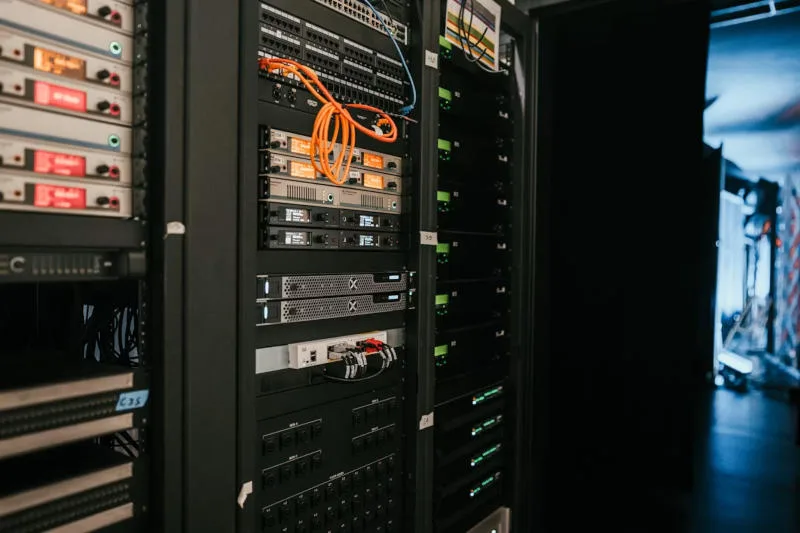
The global server market is undergoing a significant transformation as alternative architectures to the traditional x86 processors make substantial inroads. Recent analysis by IDC reveals that servers equipped with non-x86-based processors now comprise nearly 50% of worldwide sales, signaling a pronounced shift fueled by the growing demands of artificial intelligence (AI) workloads.
For decades, the x86 architecture, primarily championed by Intel and AMD, has dominated server hardware. However, the rapid expansion of AI and machine learning applications has altered infrastructure requirements, emphasizing specialized processing capabilities that extend beyond the established x86 platforms. This dynamic has led to an increased adoption of servers featuring alternative architectures, including ARM and other custom-designed chips optimized for AI tasks.
IDC’s market share evaluation indicates that while x86-based systems still constitute a slight majority of sales, non-x86 servers are closing the gap fast. The adoption of these architectures is attributed to their energy efficiency, performance benefits in certain AI computations, and scalability advantages, which are critical factors for modern data centers prioritizing AI deployment.
The shift is also reflective of broader industry trends toward heterogeneous computing environments where diverse processors work in tandem to handle specialized workloads. This approach helps data centers balance cost, performance, and energy consumption more effectively than relying exclusively on traditional x86 CPUs.
Though detailed breakdowns of individual non-x86 processors and vendors were not specified, the current market data points to a growing ecosystem embracing these alternative architectures. This expansion aligns with the increasing integration of AI across various sectors, propelling infrastructure innovation at a rapid pace.
As AI continues to evolve, so too will the demands on server hardware, likely further accelerating the move away from a x86-exclusive landscape. Industry observers will be watching closely to see how Intel and AMD adjust their strategies in response, as well as how emerging processor designs influence future data center architectures.
Overall, the server market’s architectural diversification underscores the broader implications of AI’s impact on technology infrastructure, signaling a departure from traditional paradigms and the rise of novel hardware solutions tailored for next-generation computing challenges.
Servers using non-x86 processors now represent almost half of global sales as AI demand reshapes the market landscape.