
xMEMS Unveils Nail-Sized Solid-State Cooler for Smart Glasses and AR Headsets
July 21, 2026
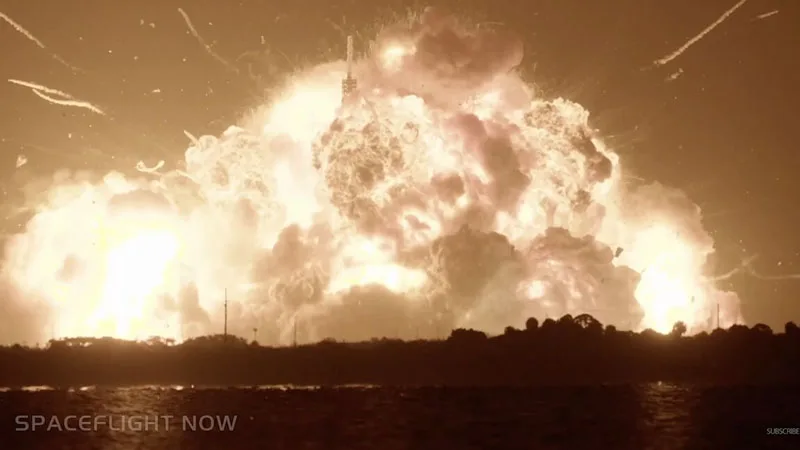
On May 28, 2026, Blue Origin faced a significant setback when its New Glenn heavy-lift rocket exploded during pre-launch operations. The incident resulted in the destruction of the launchpad, and recovery efforts are expected to take several months. While the explosion represents a major challenge for Blue Origin’s space program, it has also inadvertently created an important real-world data set on the effects of large-scale methane-fueled rocket blasts.
New Glenn, Blue Origin’s flagship heavy rocket, uses methane as its primary propellant, a choice that distinguishes it from many traditional rockets that rely on kerosene or hydrogen fuels. Understanding the behavior of methane-fueled rockets during catastrophic failures is crucial, as the space industry increasingly explores methane-powered engines due to their efficiency and potential reusability.
The explosion has provided aerospace engineers and safety experts with concrete observational evidence regarding the force and fallout of methane-fueled rocket mishaps. Such information is critical for establishing comprehensive safety zones around launch facilities, which are designed to protect personnel, infrastructure, and surrounding communities.
Current spaceport layouts are facing challenges due to the increasing size and power of modern rockets. The data derived from the New Glenn incident highlights the need for re-evaluating and possibly expanding safety perimeters around launchpads. These adjustments ensure that the risk to human life and property remains within acceptable limits as launch vehicles grow in scale and complexity.
Moreover, this event serves as a live test case that supplements theoretical models and computer simulations, filling gaps in knowledge about explosion dynamics specific to methane-blasted rockets. It also reinforces the importance of robust emergency and contingency planning for new-generation spaceports.
While the explosion significantly disrupts Blue Origin’s planned launch schedule and requires substantial resources to rebuild the damaged infrastructure, the lessons learned may have broader implications for the entire aerospace sector. Improving safety standards derived from such incidents could shape the development of future launch facilities and operational protocols nationwide.
As commercial and governmental space activities expand, the need for reliable data to refine launch safety measures becomes increasingly urgent. The New Glenn incident underscores how even adverse events can contribute valuable experiential knowledge that potentially enhances the resilience and safety of spaceflight operations.
The New Glenn rocket explosion offers valuable insights into methane-fueled rocket blast zones and launchpad safety measures.