Meta Pauses Subscription Plan for Premium Features on Smart Glasses
July 28, 2026
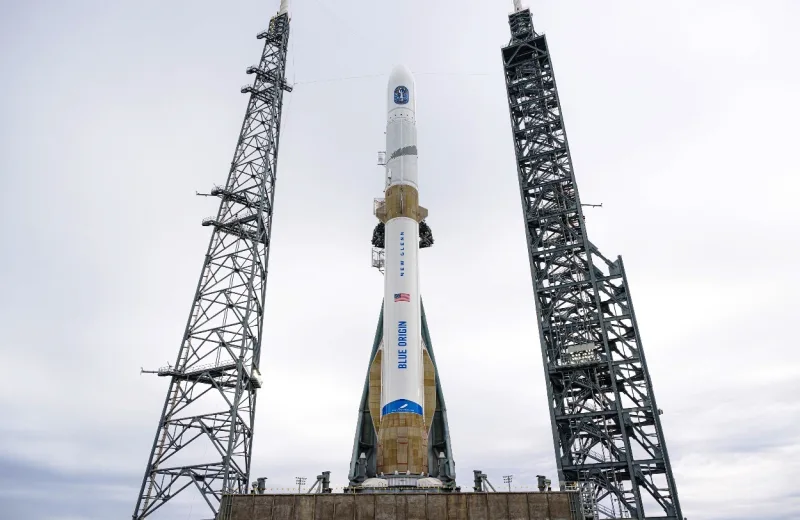
On May 28, 2026, a significant setback occurred at Cape Canaveral’s Launch Complex 36 during a routine engine test of Blue Origin’s New Glenn heavy-lift rocket. The anomaly, which resulted in a catastrophic explosion of the vehicle’s first stage engines, halted progress on the launch vehicle’s development and cast uncertainty over NASA’s upcoming heavy-launch missions.
The test was intended as a full-scale dress rehearsal, involving ignition of the rocket’s main engines to simulate pre-launch conditions. Instead, the sequence ended abruptly when the rocket encountered an unexpected technical failure that triggered a destructive explosion at the test stand. While no injuries were reported, the incident marked a critical blow to Blue Origin’s aspirations.
The New Glenn rocket was considered a key component in NASA’s strategy to expand launch options for heavy payloads to orbit, including crewed and uncrewed missions. With the rocket now out of commission following the explosion, NASA faces renewed dependency on its primary commercial partner, SpaceX, to fulfill heavy-lift launch requirements.
SpaceX’s Falcon Heavy and Starship programs have thus far been central to NASA’s current launch cadence. The failure of the New Glenn vehicle eliminates an anticipated alternative launcher that could have provided competition and redundancy in the aerospace sector. This consolidation of reliance on SpaceX’s systems introduces additional risk, as any further launch delays or issues on their end could disrupt mission timelines.
Blue Origin’s setback comes amid a push in the aerospace industry to diversify heavy-lift launch services with new entrants challenging incumbent providers. The New Glenn rocket was originally developed as Blue Origin’s flagship vehicle to compete with SpaceX in the commercial and government spaceflight markets. The explosion during such a critical test underlines the challenges inherent in developing new heavy-lift launch technology.
The incident also raises questions about the pace at which Blue Origin can resume testing and eventually achieve successful flight. Recovery from major launch failures typically involves extensive investigation and redesign efforts, potentially adding significant delays to the New Glenn program’s timeline.
NASA and Blue Origin have not released detailed information regarding the cause of the failure or revised schedules for the New Glenn rocket’s return to testing. Meanwhile, SpaceX continues to hold a dominant position in the heavy-launch market, supporting NASA’s missions and commercial satellite deployments.
As the aerospace industry watches closely, the New Glenn explosion serves as a reminder of the technical risks involved in pioneering new launch vehicles. The outcome will influence future competition dynamics and NASA’s approach to partnering with commercial launch providers.
A New Glenn rocket exploded during a critical test, disrupting NASA’s heavy-lift launch plans and reinforcing reliance on SpaceX.