Honor Launches X7e Smartphone in Russia Featuring 7200mAh Battery and AI Shortcut Button
July 21, 2026
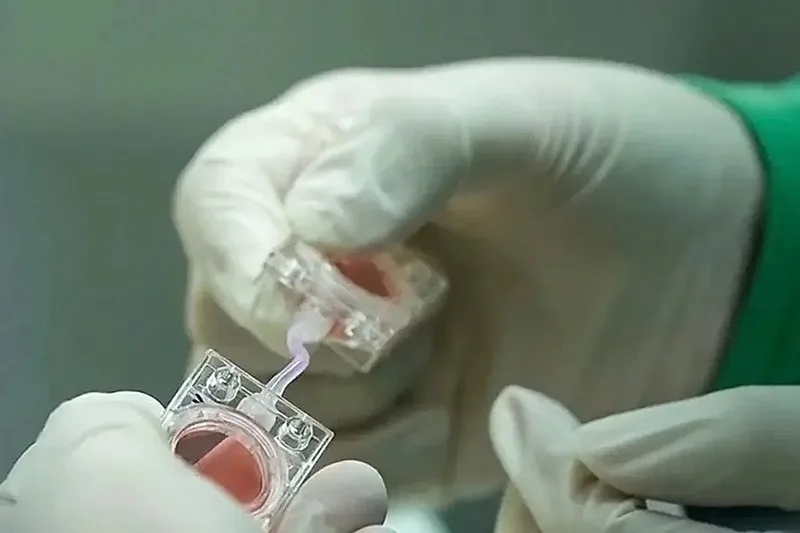
China has embarked on a groundbreaking project aboard its orbital space station to investigate the development of artificial human embryos in a microgravity environment. This represents the first time an experiment of this nature has been carried out in space, aiming to explore early stages of human growth beyond Earth’s gravitational influence.
The artificial embryos used in the study are created from human stem cells but are not true embryos capable of maturing into full human beings. Instead, they serve as biological models designed to facilitate the study of initial phases of human development. Researchers hope that by observing these stem cell-derived structures in orbit, they can glean insights inaccessible under terrestrial conditions.
The use of stem cells in replicating early human developmental stages provides scientists with a unique platform to understand complex biological mechanisms. Conducting this research in the low-gravity environment of space introduces novel variables that could reveal how gravity influences cellular behavior, growth patterns, and molecular signaling pathways during embryogenesis.
While details about the experimental protocols, duration, and subsequent analysis have not been released, the mission underscores China’s increasing investment in space-based life sciences. It follows a broader global trend towards leveraging space stations as laboratories for biomedical research that probes fundamental aspects of human biology.
This initiative also raises important questions and discussions about the ethical considerations of creating and experimenting on artificial human embryonic models outside Earth. Despite the scientific promise, these efforts are carefully framed to emphasize that no actual human embryos are involved, thereby focusing strictly on developmental biology research.
As space agencies and researchers worldwide continue to expand the frontier of space experimentation, this Chinese effort stands out for its novel use of synthetic biology and stem cell technology in orbit. The outcomes could have implications not only for developmental biology but also for regenerative medicine and the understanding of human health in long-duration spaceflight scenarios.
China initiates pioneering space study on artificial human embryos made from stem cells to understand early human development in microgravity.