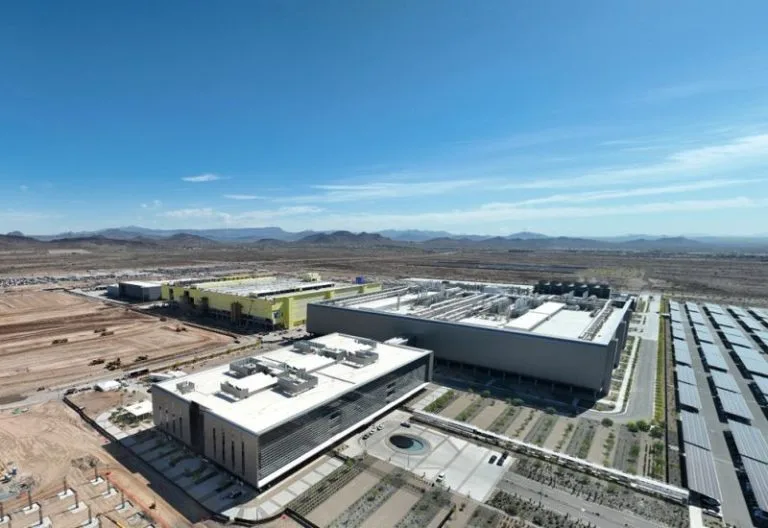
TSMC Plans $265 Billion Investment to Expand U.S. Chip Manufacturing Amid Rising Competition
July 20, 2026

In an extensive push to bolster its semiconductor industry, China has vastly outspent the United States over the last decade. Between 2014 and 2023, Chinese government investments in semiconductor development reached approximately $142 billion. This amount is more than threefold the $39 billion allocated by U.S. authorities during the same period, according to a recent analysis by the Center for Strategic and International Studies (CSIS), a prominent American think tank.
The data highlights the intensified efforts by Chinese policymakers to significantly enhance their nation’s role in semiconductor manufacturing, a sector crucial for modern electronics and digital infrastructure. These investments encompass various facets of the semiconductor supply chain, including research and development, fabrication capabilities, and supporting industries.
China’s aggressive funding strategy aims to reduce dependency on foreign chip suppliers and strengthen domestic technological capabilities amid ongoing geopolitical tensions. By contrast, U.S. government expenditure on the semiconductor sector has been comparatively restrained, focusing on incentives and regulatory support rather than direct large-scale financial outlays.
The semiconductor industry remains vital for economic competitiveness and national security. The disparity in investment levels signals a shifting landscape where China is positioning itself as a dominant player in chip production, research innovation, and supply chain resilience.
While the exact distribution of funds within China’s semiconductor sector was not detailed, the scale of spending underscores a comprehensive approach to developing cutting-edge technology and manufacturing infrastructure. This includes fostering talent pipelines, enhancing manufacturing equipment, and supporting startups and established companies engaged in chip design and fabrication.
The U.S. continues to leverage various policy measures, including partnerships with private industry and international allies, to maintain its technological edge. However, the comparative spending gap indicates the importance of evaluating investment strategies in light of global competition and supply chain vulnerabilities.
Going forward, the semiconductor market dynamics will likely be influenced by how both countries balance investment, innovation, and international collaboration. The findings from CSIS provide valuable insight into the scale and intent behind China’s semiconductor ambitions and underscore the ongoing strategic competition in advanced technology sectors.
From 2014 to 2023, China invested roughly $142 billion in semiconductors, surpassing U.S. government spending by more than three times.