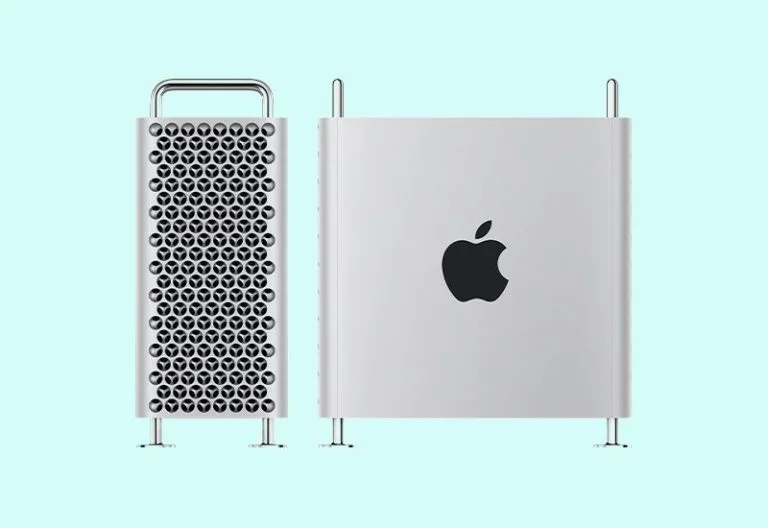
Memory Chip Makers Face Potential DRAM Oversupply by 2028 Amid Massive Capacity Expansions
July 20, 2026

Over the past decade and a half, the average number of words people speak during daily conversations has dropped significantly. A recent analysis of numerous studies indicates a nearly 28% reduction in the daily word count spoken by individuals.
Researchers compiled data from 22 different investigations involving more than 2,000 participants who provided recordings of their everyday dialogues. In 2005, the average person spoke roughly 16,632 words per day. By 2019, this figure had declined to approximately 11,900 words daily, marking a substantial downturn in spoken communication.
Experts attribute this considerable decrease primarily to the increasing prevalence of smartphones and internet usage. These digital tools have transformed the way people interact, often favoring text-based communication methods such as messaging apps and social media platforms over face-to-face verbal exchanges. The pervasive shift toward online interactions has evidently contributed to fewer words being spoken aloud in daily life.
The onset of the COVID-19 pandemic further accelerated this trend. Lockdowns, social distancing measures, and remote work reduced opportunities for in-person conversations, compounding the decline in word counts. Although the studies analyzed end in 2019, observations post-pandemic suggest that this downward movement in spoken communication continued and intensified due to altered social habits.
This ongoing change in conversational patterns raises questions about the long-term consequences for language skills, social bonds, and emotional well-being. While technology offers unprecedented convenience and connectivity, the decrease in verbal exchanges may have implications for how humans maintain relationships and express themselves.
Continued research is necessary to fully understand these dynamics and explore potential strategies to balance digital communication benefits with preserving meaningful spoken interactions. Understanding the evolving nature of human communication in the digital age remains crucial for addressing future social and cognitive challenges.
A study reveals people speak nearly 28% fewer words daily compared to 2005, with digital technology and pandemic effects playing major roles.