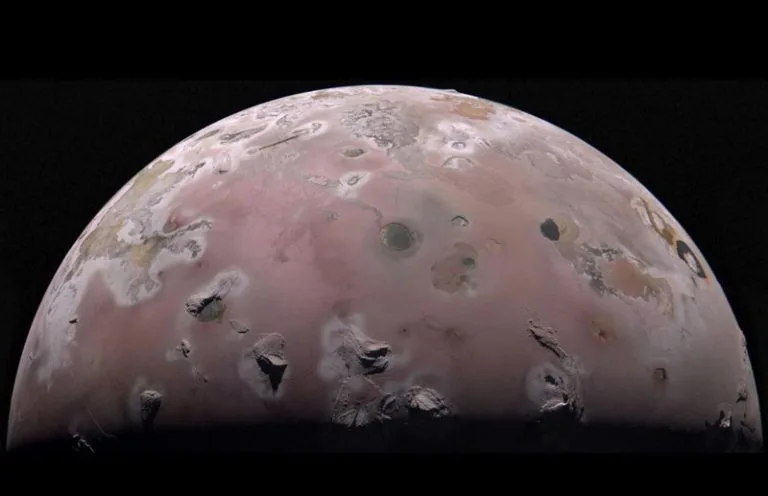
NASA’s Juno Probe Measures Interior Temperature of Io, Solar System’s Most Volcanic Body
July 23, 2026
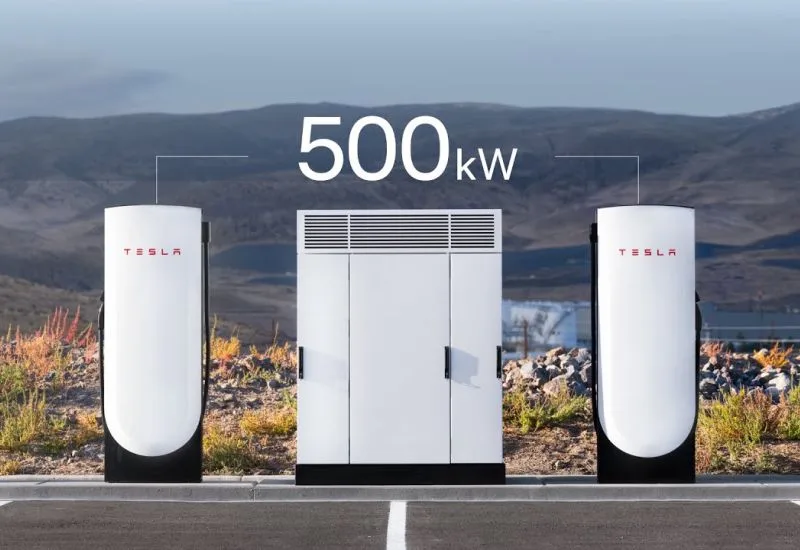
Elon Musk, the CEO of Tesla and SpaceX, has put forward a novel concept to leverage Tesla’s extensive charging infrastructure for an ambitious new application in the field of artificial intelligence. During recent discussions, Musk suggested repurposing Tesla’s powerful supercharger stations as energy sources to support a network of modular AI supercomputers.
The idea envisions converting Tesla’s existing high-capacity charging hubs, primarily used for electric vehicle (EV) recharging, into distributed computing centers. These centers would host Megapod-style cluster supercomputers designed to handle intensive AI workloads. Such a networked architecture could create a geographically dispersed supercomputing framework, potentially enhancing computational efficiency and resilience, while utilizing Tesla’s robust energy delivery systems.
This proposal reflects an intersection of Musk’s ventures, where the EV charging infrastructure under Tesla’s supervision aligns with the expansive technological ambitions related to AI, which play a critical role in SpaceX’s and Tesla’s long-term strategies. By integrating supercomputing capability directly with the power grid already servicing EVs, the approach could capitalize on existing assets while accelerating the development and deployment of AI technologies.
The concept of embedding AI supercomputing pods within an EV charging network is an innovative twist on data center deployment. Instead of relying solely on large centralized facilities, Musk’s plan could distribute computing power across multiple urban and rural locations. This distribution can potentially reduce latency, balance load across regions, and improve overall fault tolerance of AI systems.
While specific technical details, including the design of these AI supercomputer modules, energy requirements, and deployment timelines have not been disclosed, the direction indicates a strategic use of Tesla’s physical and electrical infrastructure. It also highlights the increasing convergence of electric mobility, clean energy, and artificial intelligence technologies.
As Tesla continues to expand its Supercharger network globally, the potential to add layers of functionality beyond vehicle charging presents new possibilities for the company’s role in advancing AI computing. Musk’s idea could position Tesla not just as a leader in electric vehicles and energy but as a pioneering force in distributed artificial intelligence computation.
The concept may also create synergies with SpaceX’s initiatives, where AI and machine learning are critical components for autonomous flight, spacecraft management, and large-scale data processing. By uniting facets of energy distribution, electric mobility, and high-performance computing, Musk’s vision points to a future where infrastructure serves multiple overlapping technological ecosystems.
Further developments and clarifications about this initiative are anticipated as Musk and Tesla progress with their quarterly updates and ongoing product and technology announcements.
Elon Musk suggests transforming Tesla supercharger stations into energy hubs for distributed AI supercomputer networks.