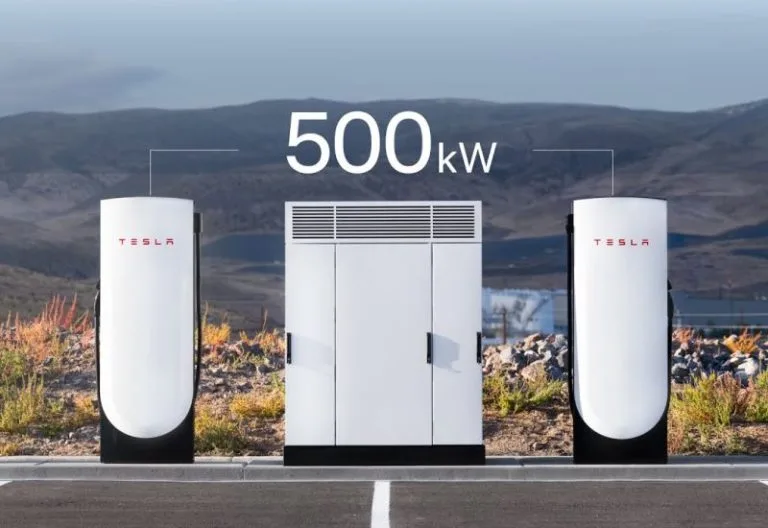
Elon Musk Proposes Using Tesla Supercharger Stations to Power Distributed AI Supercomputers
July 23, 2026
Tesla’s Full Self-Driving (FSD) system has reportedly been involved in a record number of vehicle collisions within a recent month, underscoring ongoing concerns about the safety and reliability of the automaker’s advanced driver assistance technology.
According to a newly disclosed report submitted to the National Highway Traffic Safety Administration (NHTSA), Tesla documented 207 crashes involving its FSD feature during this period. This figure marks the highest monthly tally of incidents linked to the system since the automaker began reporting such data.
The rising count of collisions associated with Tesla’s FSD system presents a challenge for the company amid heightened regulatory scrutiny. The incidents reflect a steady increase in crashes since Tesla was required to provide detailed information to the NHTSA on accidents occurring when the active driver assistance systems were engaged.
Tesla has maintained efforts to limit public access to detailed crash information related to FSD, yet regulatory mandates necessitate regular disclosures. This transparency reveals the complexity of integrating advanced AI-powered driving assistance in real-world conditions, where factors such as driver oversight and nuanced traffic situations come into play.
While Tesla’s FSD is designed to assist drivers with automated navigation and control functions, these reported collisions indicate that challenges remain in achieving a consistently safe and reliable user experience. The incidents encompass a variety of scenarios, reflecting the difficulty in deploying a fully autonomous driving system that can handle the unpredictable nature of road environments.
Safety authorities and industry observers continue to monitor Tesla’s progress with FSD technology closely, as updated data from regulatory filings show ongoing developments and setbacks. The volume of reported crashes serves as a critical data point in assessing the maturity and risk factors associated with advanced driver assistance systems.
As Tesla refines its FSD software and hardware, further analysis of crash reports will likely influence regulatory decisions and public perception regarding the viability of autonomous driving technologies. Meanwhile, drivers using Tesla’s systems are advised to remain vigilant and attentive, as the responsibility for safe vehicle operation ultimately remains with the human operators.
Tesla’s Full Self-Driving system was linked to a record 207 crashes in one month, according to a recent report submitted to NHTSA.