Google Collaborates with Samsung on Next-Gen AI Chip Component Manufacturing
June 11, 2026
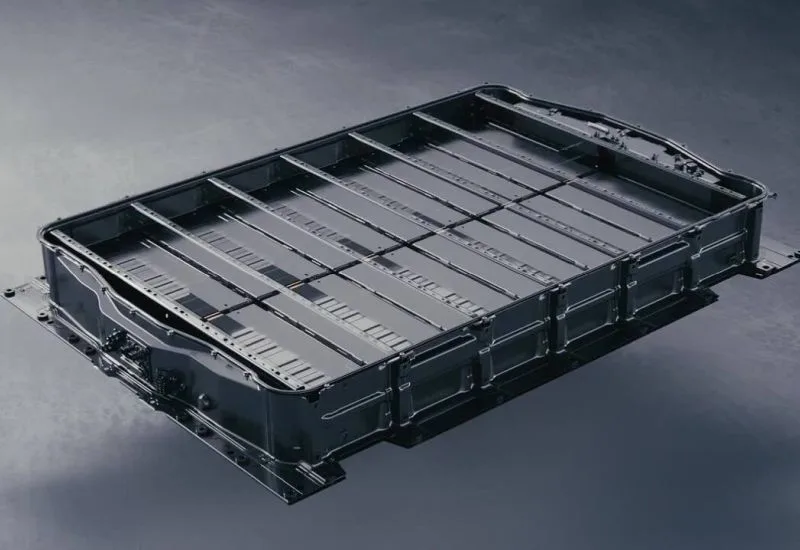
General Motors (GM) is exploring new battery technologies for electric vehicles that diverge from the widely used lithium iron phosphate (LFP) cell format, which dominates the market largely due to Chinese manufacturers like CATL and BYD. While LFP batteries have gained traction for their cost-effectiveness and safety profile, GM has identified an alternative approach centered on a novel high-manganese chemistry.
The global traction battery market has been shaped significantly by the extensive production of LFP cells, largely propelled by Chinese firms that leverage economies of scale to offer competitive pricing. GM, initially considering domestic mass production of LFP batteries to capitalize on these advantages, has since reconsidered and opted for a different chemistry path. This new composition features a higher manganese content, designed to deliver potential gains in energy density and cost-efficiency that may surpass those of conventional LFP cells.
The transition toward high-manganese batteries reflects an ongoing quest within the automotive sector to improve electric vehicle battery performance while managing material costs and supply chain resilience. Manganese, an abundant and less costly element compared to cobalt or nickel, offers promising characteristics for use in battery cathodes, including enhancing capacity and stability.
GM’s pivot signals a strategic move to distinguish its electric vehicle technology from the prevailing market standards and mitigate dependency on established LFP producers. While specific technical details and timelines for implementation remain under wraps, the initiative underscores the industry’s broader exploration of next-generation battery solutions.
By investing in advanced chemistries, GM aims to bolster its competitive positioning in the increasingly crowded EV landscape. This effort aligns with wider trends of innovation in battery materials, seeking to balance cost, performance, and sustainability factors for long-term electrification strategies.
The company’s approach also highlights the challenges faced by U.S. automakers in establishing a robust domestic supply chain for energy storage components amid global sourcing dynamics. High-manganese batteries could provide a pathway to partially localize production and reduce reliance on foreign suppliers without compromising on technological advancement.
As the electric vehicle market continues to expand, developments like GM’s high-manganese battery chemistry will be closely watched for their impact on vehicle range, charging speeds, safety, and overall cost structures. The outcome will influence how automakers navigate the evolving landscape of battery innovation while meeting consumer expectations and regulatory demands.
General Motors shifts focus from LFP batteries to a high-manganese chemistry, aiming to boost EV battery performance amid growing competition.