FCC to Allow Import of Chinese Toy Drones While Keeping Professional UAVs Banned
June 17, 2026
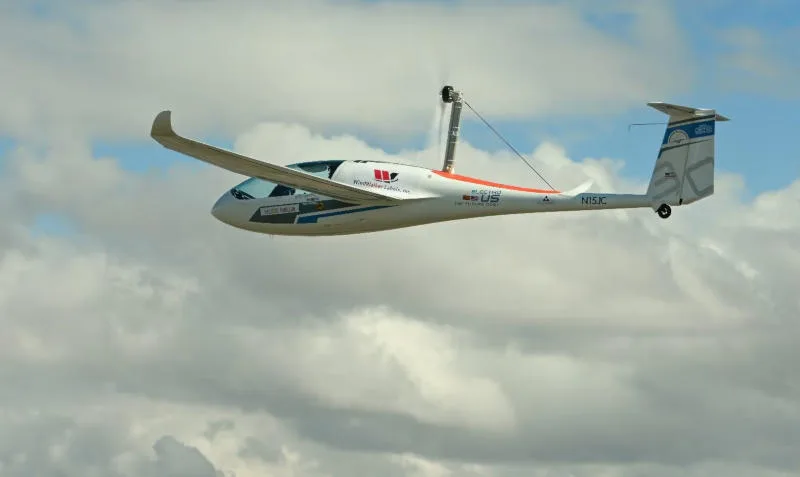
On June 5, the Helios Horizon aircraft achieved a significant milestone by completing its first manned flight. The test took place at the municipal airport in Zephyrhills, Florida, with test pilot Miguel Iturmendi at the controls. This achievement marks a notable advancement in electric aviation technology, as Helios Horizon is the first piloted fixed-wing electric aircraft powered by solid-state batteries.
The Helios Horizon represents a new era for electric planes by incorporating solid-state battery technology, which is expected to offer improvements over traditional lithium-ion batteries in terms of energy density, safety, and longevity. By successfully performing its maiden flight, the aircraft showcases the practical potential of solid-state batteries in the demanding conditions of aviation.
Electric aviation has been garnering increased attention as industries seek cleaner and more sustainable alternatives to conventional fossil fuel-powered aircraft. The use of solid-state batteries in the Helios Horizon offers prospects for improved range, reduced weight, and enhanced safety, which are critical factors for the future viability of electric aircraft.
The flight in Zephyrhills was a key step in validating the aircraft’s design and the performance of its powertrain under real-world aerodynamic and operational conditions. Test pilot Miguel Iturmendi’s role was pivotal in maneuvering the plane and gathering essential data to inform the next phases of development.
While specific details on size, range, flight duration, or subsequent flight testing programs were not disclosed, the success of this maiden trip signals encouraging progress toward wider adoption of electric aircraft in commercial and private aviation sectors.
As aviation seeks pathways to reduce carbon emissions and improve energy efficiency, innovations like the Helios Horizon’s solid-state battery electric propulsion system are likely to attract further research and investment. This first manned flight serves as both a technical demonstration and a symbolic step toward the integration of advanced battery technology into future aircraft designs.
The Helios Horizon’s development also reflects broader industry trends emphasizing sustainability, lightweight materials, and electrification to meet emerging environmental standards and customer demand for greener transportation options.
Future updates on the Helios Horizon’s testing phases and performance benchmarks will be closely monitored by those tracking advances in electric aviation and battery technologies.
The Helios Horizon, powered by solid-state batteries, completed its maiden manned flight in Florida, marking a milestone in electric aviation.