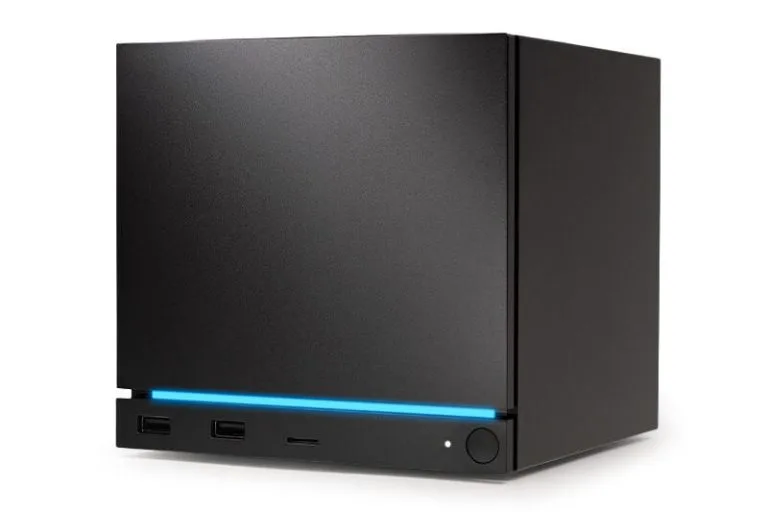
Steam Machine Sales Surpass Expectations with Weekly Figures Reaching Up to 15,000 Units
July 19, 2026
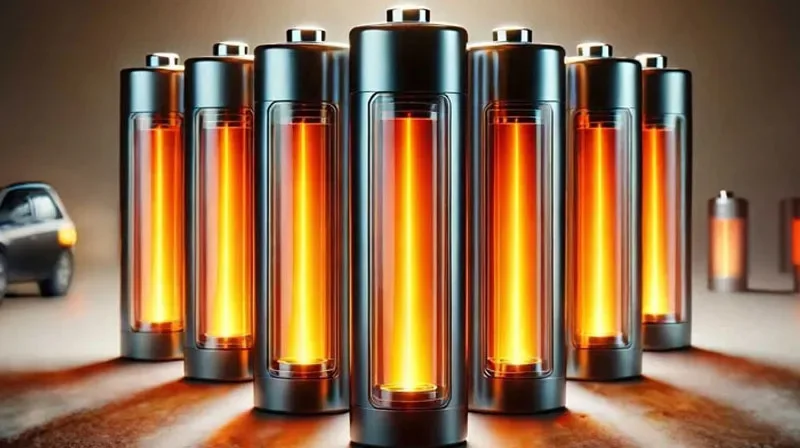
The growing demand for batteries, driven largely by electric vehicles and portable electronics, has intensified concerns over resource scarcity and environmental waste. Lithium, a critical mineral for battery manufacturing, is particularly under pressure due to its limited availability and the increasing volume of discarded batteries following their lifecycle.
Addressing these challenges, a team of scientists in Japan has made significant progress in lithium recovery technology. Their method enables the extraction of up to 90% of lithium content from spent batteries, a development that could substantially reduce waste and improve resource efficiency in the battery industry.
Battery technologies continually face two primary challenges: managing the environmental impact of used batteries and securing adequate supplies of essential minerals for new battery production. End-of-life batteries contribute to growing waste streams, while the extraction of raw materials like lithium involves complex, often environmentally taxing processes.
The Japanese scientists’ breakthrough focuses on enhancing the recovery rate of lithium during the recycling process. Extracting lithium efficiently from spent batteries means fewer natural resources will need to be mined, easing the strain on ecosystems and supply chains. The technology represents a key step toward more sustainable battery lifecycle management.
Though further details about the specific methodology and industrial scalability were not disclosed, achieving a recovery rate close to 90% marks a notable improvement over many existing techniques. This advancement aligns with broader global efforts to develop circular economy solutions within the energy storage sector.
Recycling initiatives that effectively recapture lithium and other valuable battery materials contribute both to environmental preservation and economic sustainability. They reduce the environmental footprint associated with battery disposal and decrease dependence on raw mineral extraction, which can involve geopolitical and logistical risks.
As demand for batteries continues to grow worldwide, innovations like this will be critical to meeting energy storage needs responsibly. The research coming out of Japan offers promising prospects for helping the battery industry transition to more eco-friendly and resource-efficient practices in the near future.
Scientists in Japan have developed a method to extract up to 90% of lithium from spent batteries, addressing waste and resource challenges.