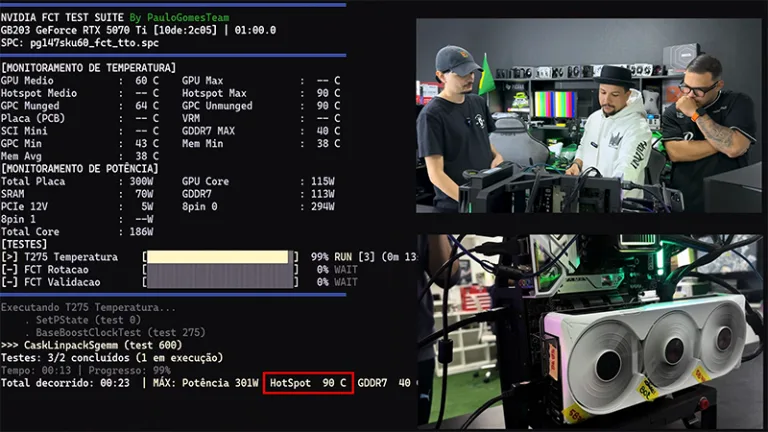
Nvidia GPUs Can Report Individual GDDR6 and GDDR6X Memory Chip Temperatures, Enthusiasts Discover
July 19, 2026

Elon Musk’s high-profile lawsuit accusing OpenAI and Microsoft of breaching original commitments to develop artificial intelligence for the public good has encountered significant judicial skepticism. The suit, which seeks damages ranging from $79 billion to $134 billion, claims that OpenAI abandoned its foundational goals and instead aligned with Microsoft in ways detrimental to original ethical intentions.
In a recent court hearing, the presiding judge characterized Musk’s damage estimation as essentially “pulled from thin air.” Despite this sharp critique, the judge chose not to dismiss the lawsuit outright. Instead, the case was allowed to proceed to a jury trial, where the panel will ultimately determine the validity of the claims and the extent of any damages.
The roots of this legal battle trace back to allegations that OpenAI, initially positioned as a nonprofit entity focused on advancing AI technologies responsibly and broadly for humanity’s benefit, shifted strategies after securing alliances with corporate partners, notably Microsoft. Musk, an early advocate for cautious AI development, argues that this pivot undermines the mission and harms the broader ecosystem.
The staggering amount cited in the lawsuit reflects the scale of perceived damage, but has raised eyebrows across legal and technology communities due to its unprecedented magnitude. Experts suggest such valuations are challenging to substantiate given the complexities of intellectual property, corporate partnerships, and the evolving AI landscape.
The judge’s decision signals that while skepticism surrounds the financial claims, the legal questions about OpenAI’s responsibilities and conduct in its collaborations remain sufficiently substantial to warrant a full examination by the jury.
The trial is expected to delve into agreements, intentions, and the ethical foundations of AI development as envisioned in OpenAI’s early days. It may also highlight broader tensions within the technology sector regarding commitments to open innovation versus commercial interests.
As artificial intelligence continues to advance rapidly, this lawsuit underscores ongoing debates about accountability, transparency, and direction of AI research and deployment.
A judge called Elon Musk’s $134 billion lawsuit against OpenAI an exaggerated claim, but deferred the decision to a jury trial.