Memory Chip Makers Face Potential DRAM Oversupply by 2028 Amid Massive Capacity Expansions
July 20, 2026
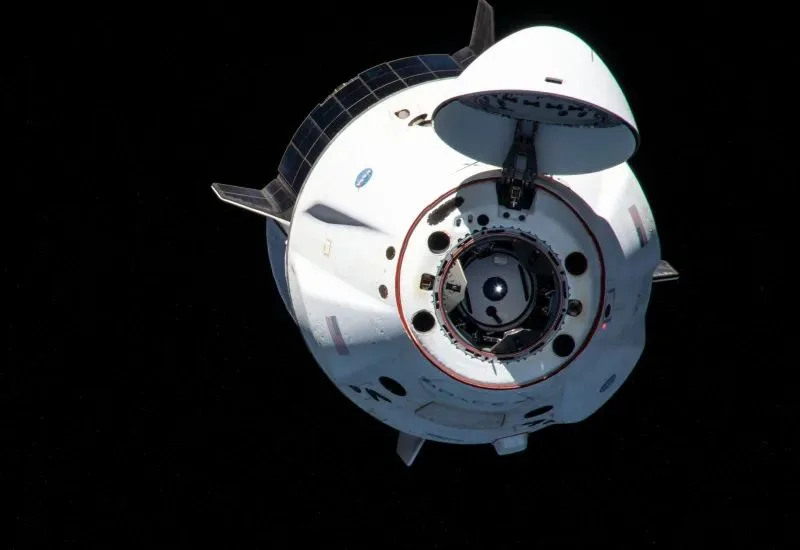
The landscape of space exploration is evolving as NASA, breaking with long-standing protocols, has authorized astronauts to carry smartphones on their upcoming Artemis II mission to the Moon. This marks a significant shift, as traditionally, common commercial devices like smartphones were not approved for spaceflights.
Historically, the gear allowed aboard spacecraft has been strictly controlled, prioritizing highly specialized and rigorously tested equipment designed specifically for extraterrestrial conditions. Although aerospace is considered to be at the forefront of technological innovation, everyday consumer technologies such as smartphones were excluded from mission equipment lists.
This move from NASA allows astronauts to utilize widely accessible technology to enhance documentation and communication opportunities during their mission. The ability to use smartphones introduces an unprecedented level of convenience and flexibility in capturing the journey, particularly the lunar surface during Artemis II.
By permitting smartphones on board, NASA enables the crew to supplement traditional imaging and data collection tools with devices that possess compact yet powerful cameras. Smartphones can provide quick photographic and video records without the need for bulky professional camera systems, potentially opening new avenues for real-time sharing and detailed observation.
The Artemis II mission represents NASA’s ambitious effort to return humans to lunar orbit and prepare for future missions on the Moon’s surface. Equipping astronauts with smartphones aligns with a broader trend of integrating consumer technologies into space missions to improve functionality and adaptability.
While detailed information regarding which smartphone models will be allowed or the specific protocols for their use has not been disclosed, the decision indicates NASA’s confidence in leveraging the capabilities of contemporary mobile technology within the stringent parameters required for spaceflight.
This development is anticipated to enrich the mission’s scientific and cultural output, providing both the public and the scientific community with diverse and accessible visual content from space exploration activities. It reflects an effort to make space missions more relatable and visually engaging while maintaining the necessary technical rigor.
As NASA continues to push the boundaries of human spaceflight, incorporating familiar devices like smartphones may become a standard practice, fostering new perspectives on how technology can support astronauts in the extreme environments beyond Earth.
For the first time, NASA astronauts are permitted to take smartphones into space, enhancing capabilities for capturing images on the Artemis II lunar mission.