Memory Chip Makers Face Potential DRAM Oversupply by 2028 Amid Massive Capacity Expansions
July 20, 2026
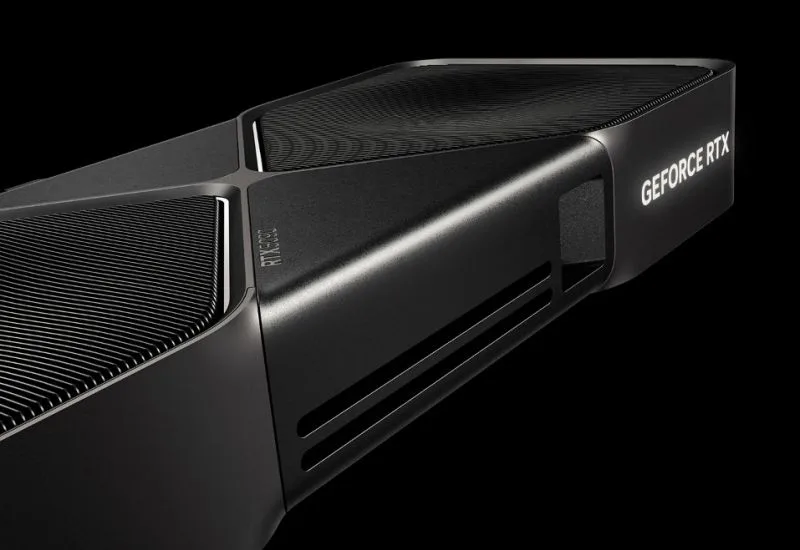
Nvidia is expected to pause the release of new GeForce RTX gaming graphics cards this year while significantly scaling back production of its current GPU lineup. Industry insiders reveal that the company will reduce manufacturing of existing video cards by approximately 30 to 40 percent amid a growing shift toward artificial intelligence (AI) computing hardware.
The surge in demand for AI systems has led to an unprecedented need for specialized processing units, including Nvidia’s AI accelerators. These specific products are in increasingly high demand, contributing to a memory shortage and prompting Nvidia to redirect focus away from traditional gaming GPUs.
According to reports cited by The Information, Nvidia’s unprecedented move of potentially not introducing any new GeForce RTX models this year highlights the substantial impact AI workloads are having on the company’s business priorities. This marks a notable departure from Nvidia’s usual yearly cadence of launching new gaming graphics cards.
The reduction in existing GPU production aligns with Nvidia’s strategic decision to allocate more resources toward AI-related accelerators and computation devices. This transition reflects the company’s efforts to capitalize on the rapidly expanding AI sector, which demands high-performance hardware capable of handling complex machine learning tasks.
While the specific numbers and roadmap details remain undisclosed, this production shift may influence the gaming market by tightening supply of current GeForce RTX video cards. Additionally, the gaming hardware community may experience delays in upgrades and new product launches from Nvidia throughout the year.
Supply chain challenges and resource allocation towards AI compute hardware could reshape Nvidia’s product offerings and priorities in the near term. Observers note that this pivot indicates the broader semiconductor industry is increasingly driven by AI workloads, translating into tangible changes in manufacturing strategies across hardware sectors.
As Nvidia reallocates its efforts towards the AI accelerator market, its positioning as a leading supplier of high-performance GPUs for artificial intelligence applications may strengthen, though at the expense of its traditional gaming GPU segment’s growth trajectory in 2026.
No official announcements regarding pricing, availability, or future product launches of new GeForce RTX models have been made yet. Market participants and gamers will be watching to see how these shifts affect availability and innovation within Nvidia’s gaming GPU lineup moving forward.
Nvidia plans no new GeForce RTX GPUs this year and will reduce existing card production by up to 40%, shifting focus to AI accelerators.