Nvidia GPUs Can Report Individual GDDR6 and GDDR6X Memory Chip Temperatures, Enthusiasts Discover
July 19, 2026
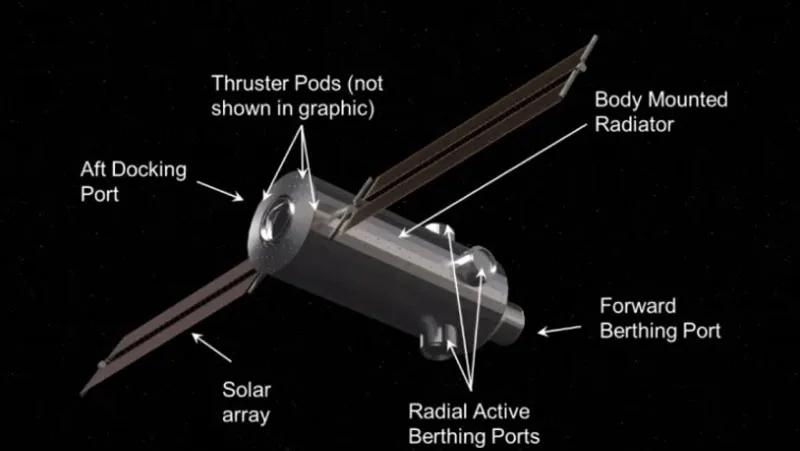
During NASA’s recent Ignition event held on March 24, the agency unveiled a significant change in its approach to future space habitats. NASA proposed shelving plans to transition from the International Space Station (ISS) to privately operated commercial orbital stations. Instead, the agency intends to prioritize government-funded development and operation of a new core station component.
This pivot stems from NASA’s assessment that the timeline for commercial space stations is not proceeding as previously promised. Officials indicated a lack of sufficient progress from private partners toward deploying viable orbital platforms within the targeted timeframes. Consequently, as a hedge against potential delays, NASA advocates building and maintaining the foundational elements of the next-generation station primarily with government resources.
Such a move has triggered strong criticism from companies actively investing billions of dollars in commercial space station projects. Stakeholders argue that NASA’s proposal undermines the commercial sector’s role and creates uncertainty around ongoing private ventures intended to sustain low Earth orbit infrastructure post-ISS. The change jeopardizes years of private investment intended to foster a competitive market for orbital habitats.
Industry representatives emphasize that collaboration between NASA and commercial enterprises has been pivotal for innovation in space operations. Many believe that the agency’s shift could dampen momentum in developing commercial space capabilities and complicate the sector’s growth. Instead of embracing a transition toward privatized space stations, NASA’s plan signals a reversion to government-led station management and operation.
The complex dynamic highlights broader challenges within the evolving space ecosystem as government agencies balance public-sector leadership against expanding commercial involvement. For investors and companies committed to commercial orbital infrastructure, NASA’s newly outlined direction raises questions about the future viability of private station endeavors and investment risk.
Details regarding the scope and timeline of NASA’s proposed core station development remain sparse. Likewise, the agency has yet to elaborate on how it intends to integrate or coordinate with private entities under the revised framework. The evolving situation will likely attract continued scrutiny from industry, policymakers, and space advocates interested in the trajectory of low Earth orbit facilities beyond the ISS era.
As NASA reassesses its strategy, the broader space community watches closely to see whether government or commercial interests will lead the next chapter of orbital station development.
NASA’s move to maintain government-led orbital stations threatens billions in private investments in commercial space habitats.