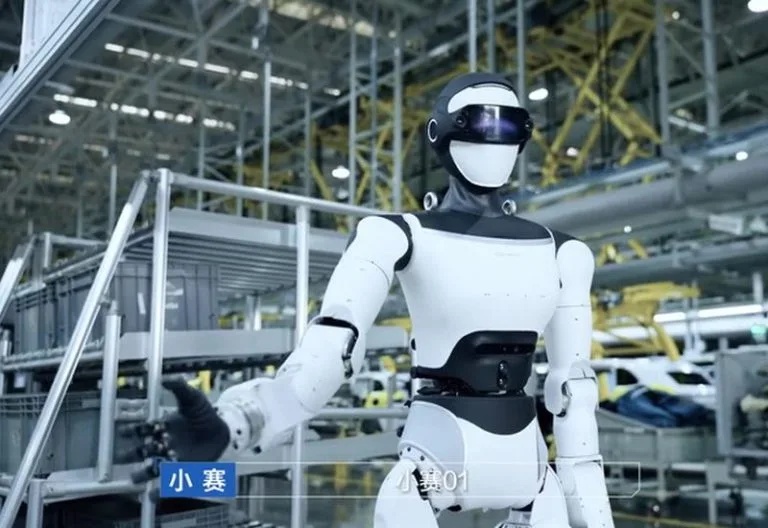
Chinese Automaker Seres Unveils Xiaosai, a Humanoid Robot With Conversational Abilities
June 15, 2026
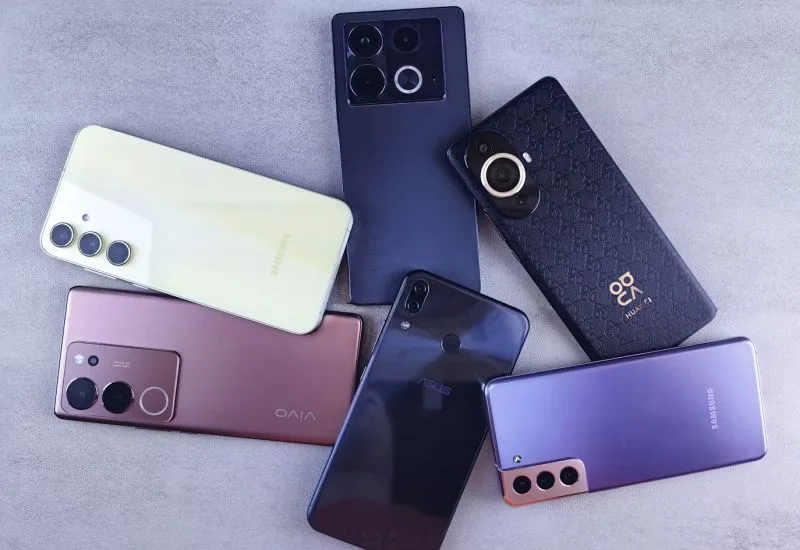
In an innovative development, researchers at the University of California, San Diego have demonstrated a method to repurpose outdated smartphones into components for building low-cost data centers. This approach offers a promising alternative to traditional data center infrastructure, emphasizing sustainability and affordability.
Smartphone manufacturing has reached staggering numbers, with billions sold annually worldwide. Consumers frequently upgrade their devices every few years, leaving behind a significant quantity of older smartphones. While many of these devices eventually undergo standard recycling or disposal, the UC San Diego team’s research explores a novel reuse pathway that could extend the functional life of these gadgets.
By leveraging the existing hardware in old smartphones, the researchers created prototype data centers capable of performing computational tasks. This method capitalizes on the energy-efficient design of mobile devices, which are optimized for performance within constrained power budgets, potentially reducing operational costs compared to standard data centers.
Central to this research is the idea that smartphones, despite being primarily designed for consumer use, contain powerful processors, memory, and networking components that can be harnessed for distributed computing. Instead of discarding these units after their primary use, repurposing them could establish geographically distributed, low-energy data centers, particularly suitable for environments where conventional infrastructure is cost-prohibitive.
The researchers highlight that such an approach may be particularly beneficial in areas with limited access to traditional data center facilities or where investment in large-scale infrastructure is not feasible. Additionally, utilizing existing devices helps mitigate electronic waste and supports a circular economy by extending the lifecycle of technology.
While detailed technical specifications and commercial viability were not disclosed, this research opens new avenues for thinking about data center design and resource utilization. It aligns with growing global interest in sustainable computing and addressing the environmental impact associated with constant hardware upgrades and data processing demands.
This innovative use of obsolete smartphones could influence future strategies for affordable data center deployment, especially for educational, research, or small-scale cloud computing applications where cost and energy efficiency are critical factors.
Scientists at UC San Diego demonstrate how outdated smartphones can be transformed into cost-effective and energy-efficient data center components.