Honor Opens Preorders for Robot Phone Featuring Robotic 200MP Camera Gimbal
July 19, 2026
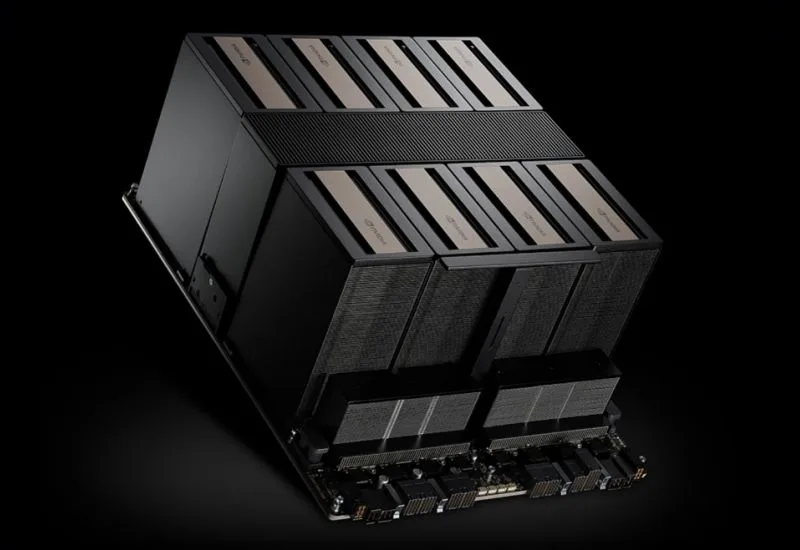
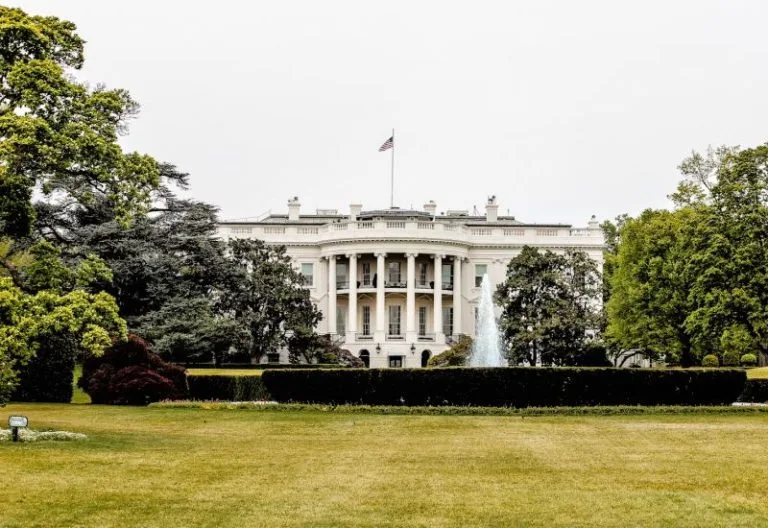
In a continuing effort to restrict China’s access to high-performance computing technology, the United States government is preparing new export control measures targeting advanced accelerators used in data center operations abroad. This move aims to extend current limitations, which already bar Chinese developers from utilizing these cutting-edge computing components within China itself.
Recent US export rules have made it difficult for Chinese technology companies to acquire sophisticated accelerators designed for artificial intelligence and high-performance computing on Chinese soil. However, several Chinese firms have circumvented these restrictions by establishing or expanding data centers beyond China’s borders, where they could legally obtain and deploy the advanced hardware.
The forthcoming regulatory update will prohibit these companies from purchasing next-generation accelerators for use in their international data centers, effectively tightening the technology embargo. This policy shift reflects Washington’s aim to impede China’s progress in developing advanced AI capabilities and bolster national security by limiting the flow of critical electronic components.
By addressing this previously exploited gap, the US government seeks to ensure that restrictions on advanced computing technologies are more comprehensive and globally enforceable. Chinese technology firms have increasingly leveraged overseas facilities to maintain access to high-performance hardware, making this move a significant escalation in efforts to control semiconductor and AI hardware distribution.
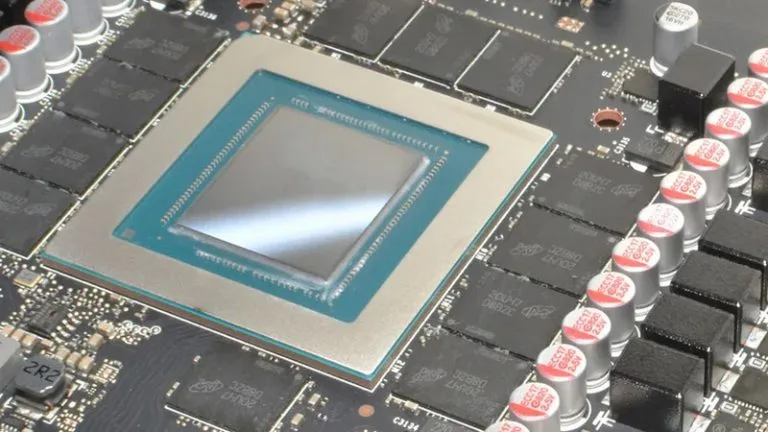
Experts note that advanced accelerators—specialized processors optimized for AI workloads and computationally intensive tasks—are crucial to data center performance. Restricting Chinese access to these components abroad could curtail their capability to operate cutting-edge AI systems at scale, impacting China’s tech development trajectory.
While details on enforcement mechanisms and the precise scope of the new regulations remain limited, analysts expect the US to implement stringent export controls backed by close monitoring of international supply chains. This policy adjustment aligns with broader US strategies to safeguard technological advantages and manage the challenges posed by global competition in AI and computing hardware sectors.
The move comes amid ongoing tensions over technology transfer and national security concerns between the US and China, with semiconductor supply chains increasingly entangled in the geopolitical landscape. Companies involved in producing or distributing advanced accelerators will likely face heightened scrutiny when dealing with Chinese entities, regardless of the geographical location of their operations.
Overall, the updated measures represent a significant extension of US export controls, aiming to curb China’s ability to enhance its AI infrastructure through overseas investments and procurements. This will play a key role in shaping the future dynamics of high-performance computing and AI development on the international stage.
The US plans to tighten export controls to prevent Chinese companies from buying cutting-edge accelerators for data centers outside China.