
Sony Confirms Focus on Profitability for Future PlayStation Consoles
June 30, 2026
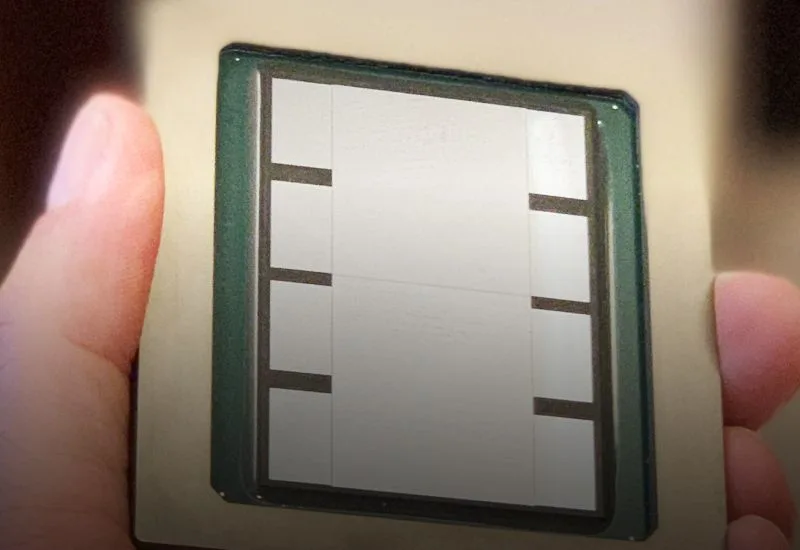
As the global semiconductor landscape continues to evolve, the United States is striving to enhance its domestic production capabilities, especially in advanced lithography manufacturing. However, recent developments have highlighted a critical vulnerability: the country’s growing dependence on Taiwan Semiconductor Manufacturing Company (TSMC) for state-of-the-art chip packaging technologies.
While significant government efforts have focused on attracting and expanding advanced semiconductor fabrication facilities within the US, the focus on chip packaging—an essential process that impacts the performance and integration of semiconductor devices—has been notably understated. This facet of chip production is pivotal in pushing the limits of device miniaturization and power efficiency, and leading-edge packaging technology is currently dominated by TSMC.
During the previous administration, despite recognizing the strategic importance of semiconductor supply chains, there was a missed opportunity to boost research and development in this specific segment domestically. A key example of this oversight was the absence of allocated funds for constructing a specialized research center in Arizona focused explicitly on advanced chip packaging technologies. Such a facility could have helped cultivate homegrown expertise and reduce the nation’s reliance on foreign technology providers.
This gap in funding and strategic prioritization underscores broader challenges in the US semiconductor strategy. While lithography processes, which involve patterning the intricate circuits onto silicon wafers, have received significant attention, the equally complex and innovative domain of advanced packaging has not seen proportional investment or policy support.
Advanced packaging methods encompass techniques such as 3D stacking, chiplet integration, and sophisticated interconnects that are crucial for meeting the ever-growing demands for performance and energy efficiency in modern electronics. TSMC’s leadership in these areas has solidified its role not just as a foundry but as a critical technology partner for semiconductor companies around the world.
The US semiconductor industry’s reliance on TSMC for chip packaging technology presents multiple strategic and economic challenges. Any disruption affecting TSMC’s operations could ripple across global electronics supply chains, impacting industries from consumer electronics to automotive and defense. The situation also raises concerns about technological sovereignty and national security, as chip designs and production increasingly depend on foreign partners for essential manufacturing steps.
Industry experts emphasize the need for a more balanced approach that includes substantial investment in domestic research centers dedicated to advanced packaging. These facilities would foster innovation and expertise development, facilitating US competitiveness and reducing supply chain vulnerabilities.
In recent discussions, policymakers and industry leaders have begun to acknowledge the importance of encompassing the entire semiconductor production ecosystem, including packaging and assembly, within national industrial strategies. However, concrete funding initiatives and policy measures beyond lithography expansion remain limited.
Looking ahead, building a robust domestic capability in advanced chip packaging will be critical for the US to maintain leadership in semiconductor technology. Close collaboration between government, academia, and private industry will be essential to establish infrastructure, promote research, and train specialists in this sophisticated field. Until such efforts materialize, the US will continue to depend heavily on TSMC’s expertise, underscoring a significant chokepoint in the semiconductor supply chain.
Despite efforts to boost domestic semiconductor manufacturing, the US remains heavily reliant on TSMC for cutting-edge chip packaging technology.