
Nvidia GPUs Can Report Individual GDDR6 and GDDR6X Memory Chip Temperatures, Enthusiasts Discover
July 19, 2026
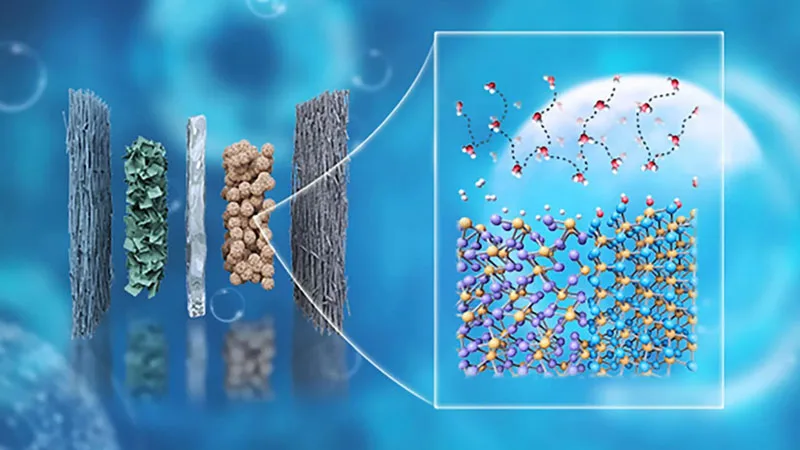
Scientists in the United States have made significant progress in the quest for more affordable methods of producing hydrogen fuel by eliminating the need for precious metals in catalytic processes. This advancement addresses one of the major cost challenges in hydrogen generation from water.
Historically, the production of hydrogen through water splitting has depended heavily on catalysts that incorporate expensive and rare precious metals, such as platinum. These materials, while highly effective, contribute substantially to the overall cost and scalability limitations of hydrogen as a clean energy source.
The research team focused on developing alternative catalysts that can efficiently facilitate the hydrogen evolution reaction (HER) without the reliance on these costly resources. By engineering new materials and refining their catalytic properties, the scientists demonstrated that hydrogen can be generated from water using catalysts composed of more abundant and less expensive elements.
This breakthrough challenges longstanding assumptions about the necessity of precious metals in such applications, paving the way toward more economically viable hydrogen production methods. The importance of this innovation is underscored by the growing global demand for clean fuel sources as the world seeks to reduce carbon emissions and move away from fossil fuels.
The researchers’ work reflects a broader effort to overcome cost and efficiency barriers associated with hydrogen technologies. By reducing dependency on scarce precious metals, the new catalyst designs could accelerate the adoption of hydrogen fuel in transportation, industry, and energy storage.
While details on the specific materials and performance metrics of the new catalysts have yet to be widely published, the scientific community anticipates that this approach will attract substantial interest given its potential impact on fuel economy and environmental sustainability.
Hydrogen, often touted as a clean alternative energy carrier, has faced challenges in achieving widespread commercial viability due to production costs. Innovations like this present valuable steps toward making hydrogen fuels more competitive compared to conventional energy sources, and less dependent on geopolitical supply chains constrained by precious metal availability.
As the global pursuit of hydrogen economy intensifies, ongoing research into non-precious metal catalysts represents a critical frontier. The advances made by this US-based team contribute to the broader goal of developing sustainable and accessible hydrogen technologies that can play a significant role in the future energy landscape.
Researchers in the US have created a catalyst that enables hydrogen extraction from water without relying on costly precious metals.