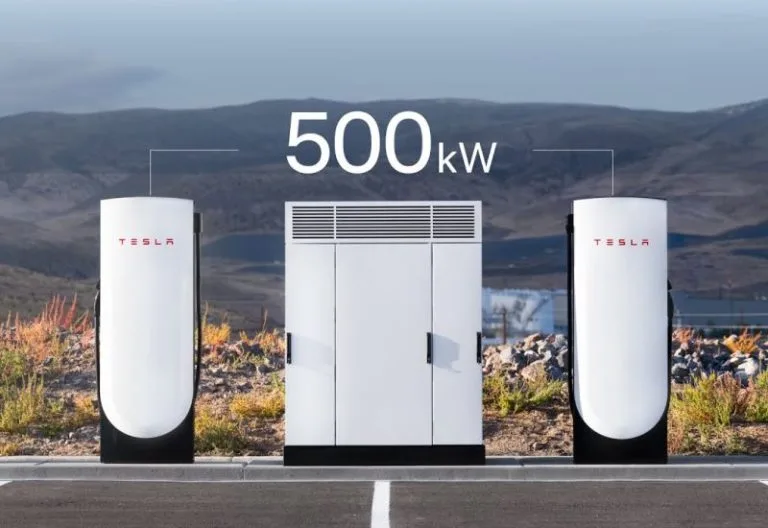
Elon Musk Proposes Using Tesla Supercharger Stations to Power Distributed AI Supercomputers
July 23, 2026
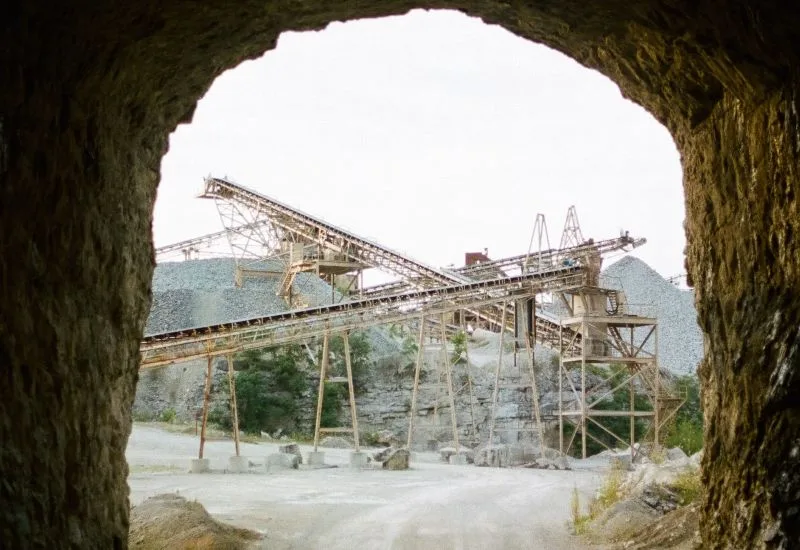
As artificial intelligence technologies continue to evolve and become more widely integrated, the associated infrastructure is rapidly expanding. This surge in development is leading to unforeseen pressures on materials and components, notably tin, which is essential in various electronic applications.
Industry analysts warn that the increasing complexity and scale of AI computing systems are contributing to a significant rise in demand for raw materials. Among these, tin has emerged as a critical resource, with forecasts indicating that its requirement could triple over the next five years. This remarkable growth is linked to the need for tin in soldering and other manufacturing processes integral to the production of semiconductors and AI hardware.
The rapid escalation in tin consumption brings attention to potential bottlenecks within the global supply chain. While the semiconductor industry has long contended with material constraints, the AI sector’s accelerated advancement might introduce new vulnerabilities that have not been widely anticipated.
Only a select group of market analysts have proactively highlighted the risk of emerging supply shortages caused by the AI boom. This alertness to potential ‘bottlenecks’ underscores the complexity of forecasting demand for raw materials when driven by fast-changing technological trends.
Moreover, the unpredictable nature of AI infrastructure scaling complicates efforts to estimate future material needs accurately. The intersection between cutting-edge AI hardware requirements and traditional resource supply highlights the intricate relationship between technological innovation and material availability.
Addressing these challenges will likely require a coordinated approach among manufacturers, suppliers, and policymakers to ensure stable access to critical resources like tin. Monitoring demand trajectories and investing in alternative materials or recycling methods might become necessary to mitigate supply risks.
As AI technology continues to permeate various sectors, the implications for resource consumption emphasize the broad impact of digital transformation on global markets. The anticipated surge in tin demand serves as a concrete example of how rapidly advancing technology can disrupt established material supply chains.
Rapid expansion of AI infrastructure could drive tin demand up threefold within five years, raising concerns about supply chain constraints.