Nvidia Begins Sales of Advanced Vera Processors in China Amid AI Training Restrictions
June 12, 2026
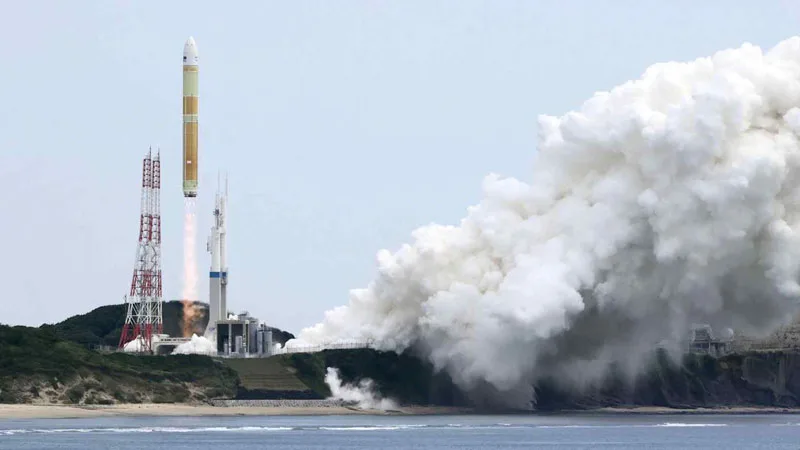
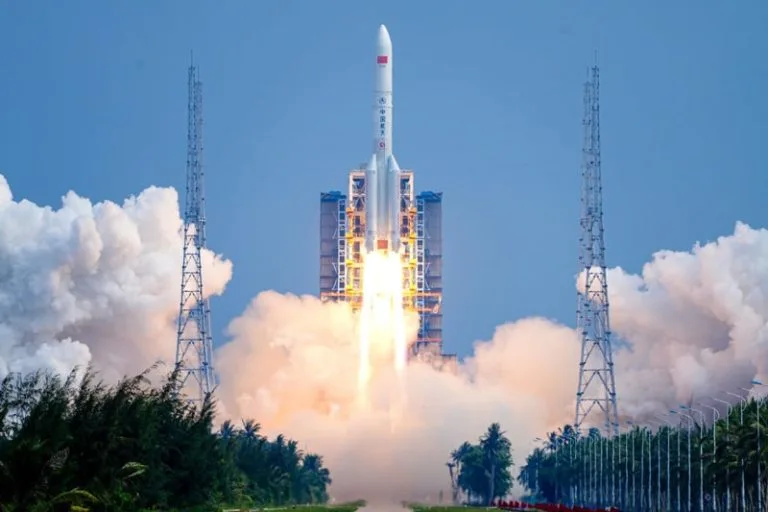
On June 12, 2026, Japan marked a significant milestone in its space program by successfully launching the new H3 launch vehicle from the Tanegashima Space Center. This flight featured the rocket’s lightest configuration to date, notably operating without any solid rocket boosters.
The H3 rocket is designed to serve a broad spectrum of missions by accommodating both light and medium-weight payloads for orbital deployments. By conducting a launch without solid rocket boosters, the vehicle demonstrated flexibility in its operations, catering to various mission requirements depending on payload mass and orbital parameters.
This approach positions the H3 as a versatile platform capable of fine-tuning its performance characteristics to align with the demands of specific satellite deployments, optimizing efficiency across different mission profiles. The configuration tested is expected to make the rocket suitable for launching lighter satellites as well as moderately heavy payloads, broadening Japan’s capacity to serve diverse clients and missions.
Japan’s development of the H3 launch vehicle continues to reflect the country’s ambitions in the competitive global space launch market. The rocket is intended as a universal tool adapting its setup to meet a wide array of launch needs. By expanding its payload capacity range, Japan aims to solidify its presence and competitiveness in space transportation services.
Details regarding subsequent missions or commercial availability remain forthcoming. However, this successful test flight underscores ongoing progress in Japan’s aerospace capabilities and its commitment to advancing launch technology.
Japan’s H3 rocket was launched in its lightest setup, expanding capabilities for light and medium payloads into space.