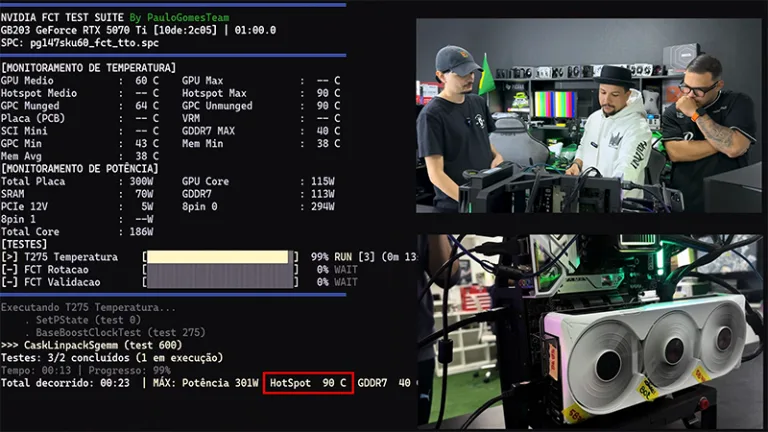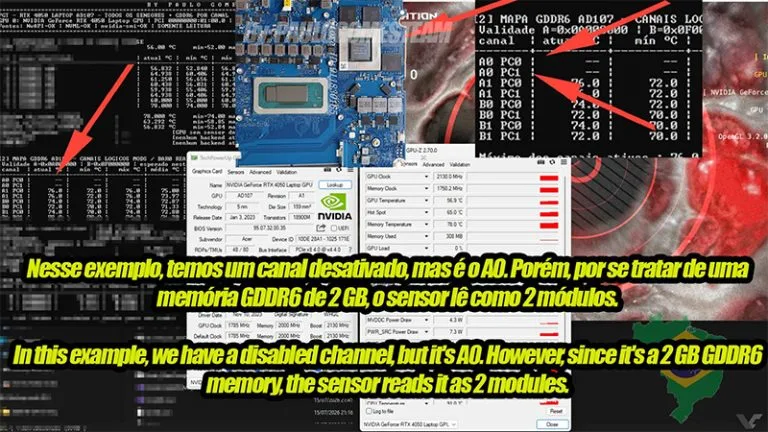
Nvidia GPUs Can Report Individual GDDR6 and GDDR6X Memory Chip Temperatures, Enthusiasts Discover
July 19, 2026
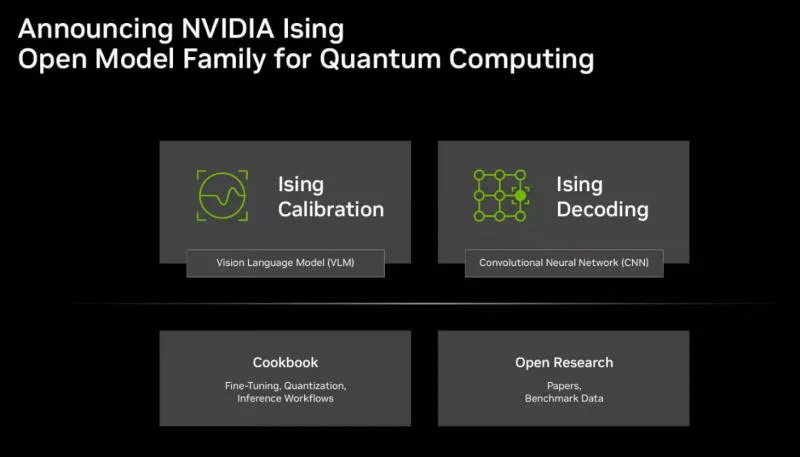
Nvidia has announced a new lineup of artificial intelligence models designed to address a critical limitation in quantum computing: the high rate of errors that currently hinder their practical application alongside classical computers. This new AI suite, named the Ising family, targets core challenges in quantum system calibration and error correction.
Quantum computers offer immense potential for solving complex problems beyond the reach of traditional systems. However, one of the fundamental obstacles to their widespread adoption is the susceptibility to errors during operations, which limits both performance and scalability. Nvidia’s Ising AI models aim to improve the accuracy of quantum computations by focusing on the precise calibration of quantum devices and the mitigation of error rates.
The Ising models leverage machine learning techniques to detect and correct errors that occur during quantum operations. By integrating these AI-based solutions, researchers and developers could gain better control over quantum states, boosting the reliability and stability of quantum processors. This capability is crucial for advancing quantum computing toward practical, real-world applications.
The announcement underscores Nvidia’s continuing investment not only in traditional AI and GPU technologies but also in emerging fields where AI can catalyze improvement. The Ising models mark a significant step toward bridging the gap between experimental quantum technology and usable computational tools.
While detailed technical specifications and deployment timelines were not disclosed, Nvidia’s initiative signals an important development in the intersection of artificial intelligence and quantum computing. As quantum machines edge closer to mainstream use, innovations like these will play a key role in overcoming entrenched technological barriers.
Ultimately, the integration of AI in quantum error correction could accelerate the evolution of quantum hardware from research prototypes to dependable computing platforms, extending the reach of computing power in industries such as cryptography, materials science, and complex system simulations.
Nvidia’s introduction of the Ising AI models represents a promising advancement in the effort to unlock the full potential of quantum computing through enhanced error management and system calibration.
Nvidia introduces new AI models aimed at improving calibration and reducing errors in quantum computing systems.