Tag: exoplanets
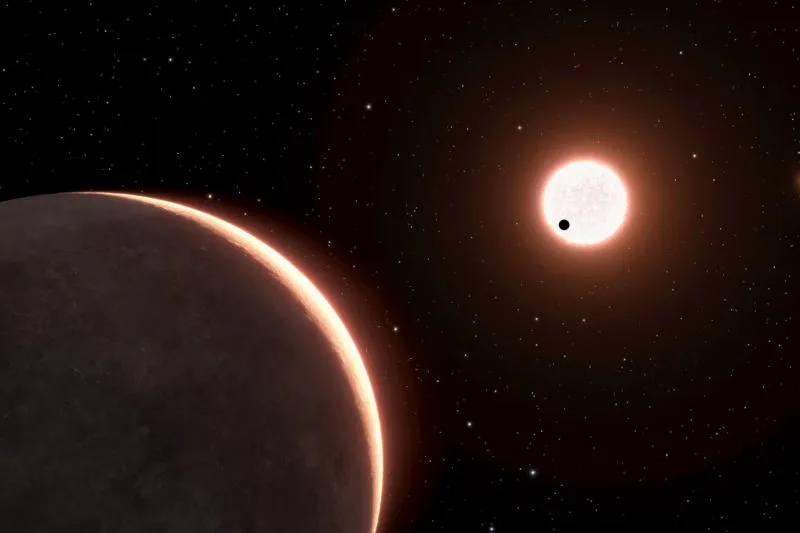
Scientists Detect Atmosphere on Rocky Exoplanet in Habitable Zone
Astronomers have identified an atmosphere on a rocky planet within its star’s habitable zone, marking a major step in the search for extraterrestrial life.
Read MoreJames Webb Telescope Uncovers Cause of Unusual Pink Hue on Exoplanet GJ504b
The James Webb Telescope identified salty clouds as the source of the unusual pink color of exoplanet GJ504b, located 57 light-years away.
Read More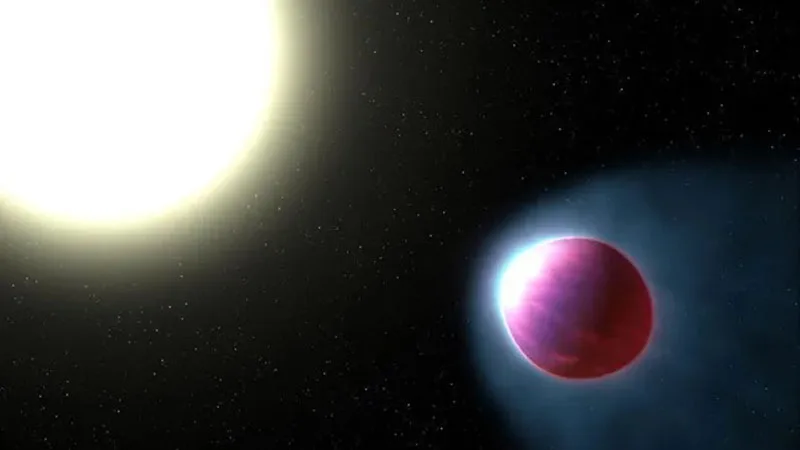
James Webb Telescope Reveals Atmospheric Asymmetry on Ultra-Hot Jupiter with Ruby and Sapphire Rain
James Webb Space Telescope unveils atmospheric details of ultra-hot Jupiter WASP-121b, including asymmetric weather and rains of rubies and sapphires.
Read More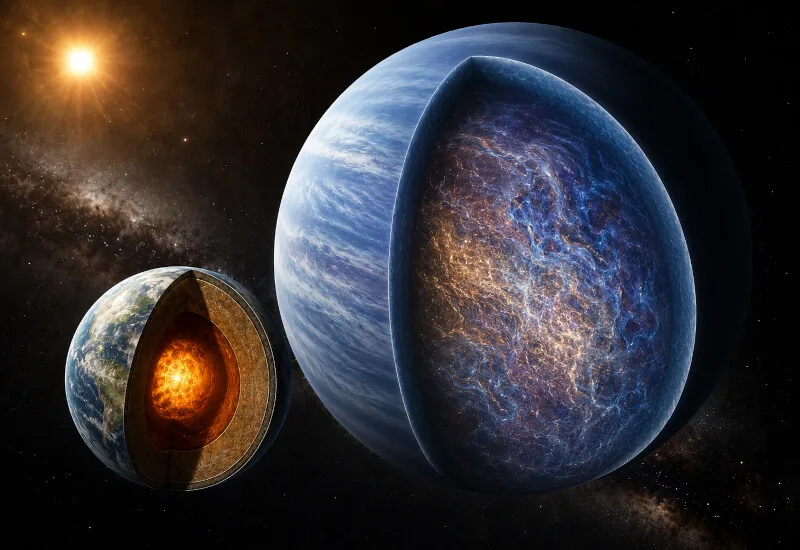
Study Reveals Many Sub-Neptune Planets May Lack Traditional Cores
New research suggests most sub-Neptune exoplanets in our galaxy may have no distinct cores, challenging previous planetary structure models.
Read More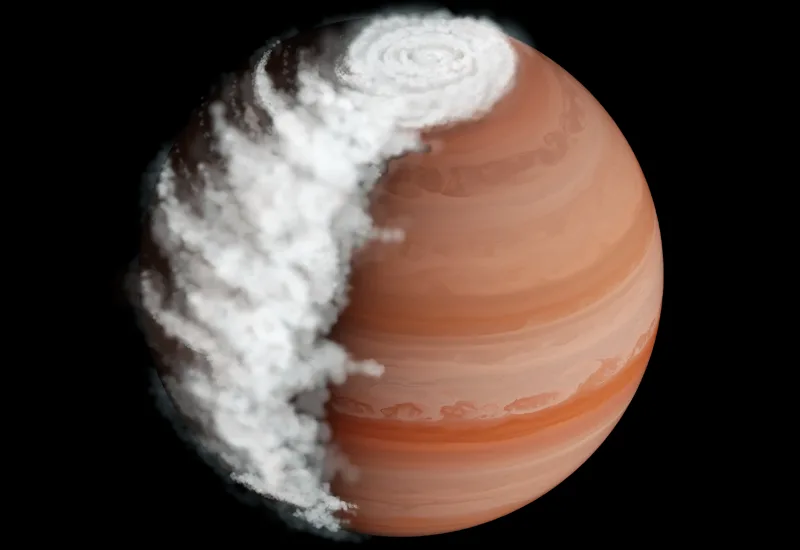
James Webb Telescope Captures Morning ‘Sand’ Clouds on Hot Jupiter WASP-94Ab
NASA’s James Webb Telescope observed daily weather cycles on hot Jupiter WASP-94Ab, revealing morning silicate clouds that clear by evening.
Read More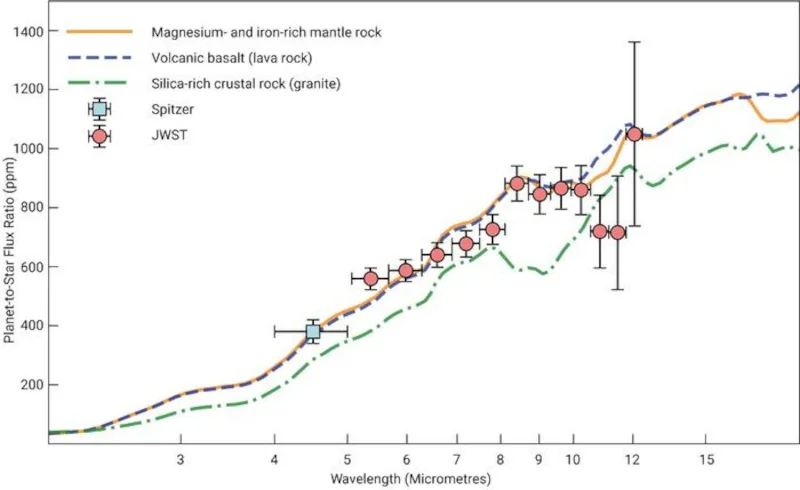
James Webb Telescope Captures First Surface Analysis of a Distant Exoplanet
NASA’s James Webb Telescope has provided the first direct surface study of an exoplanet, revealing a dark, scorching, atmosphere-free world.
Read More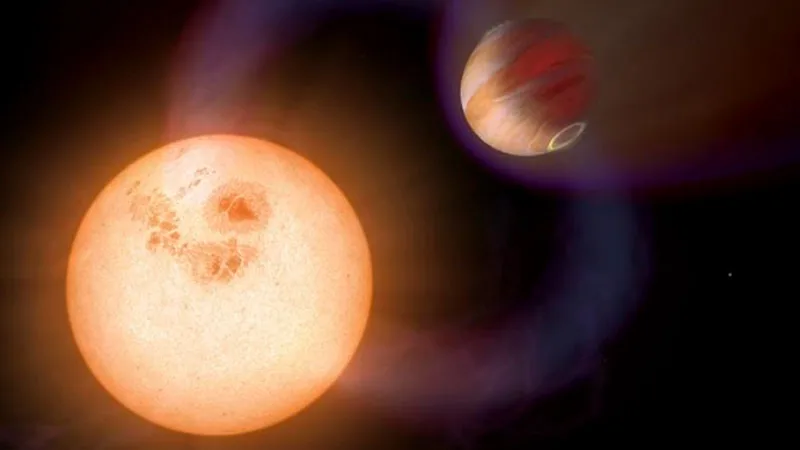
AI Model Uncovers Previously Unknown Exoplanets in TESS Telescope Archives
Researchers employ AI to analyze TESS data, revealing new exoplanet candidates formerly hidden in stellar brightness records.
Read More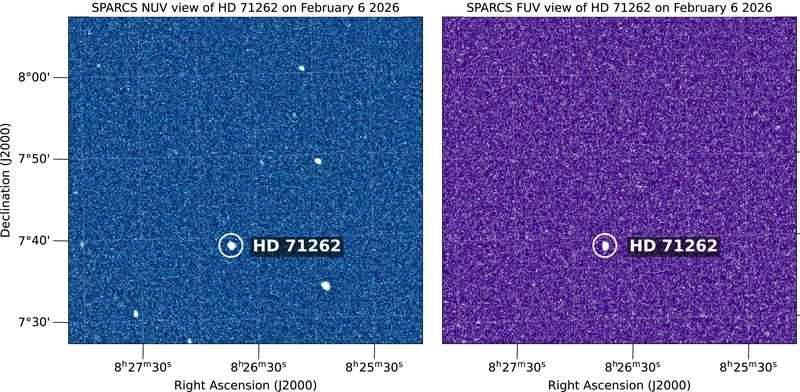
NASA Begins Studying Habitability Risks Around Low-Mass Stars Using SPARCS Telescope
NASA uses the SPARCS space telescope to analyze stellar activity that may threaten life on planets orbiting low-mass stars.
Read More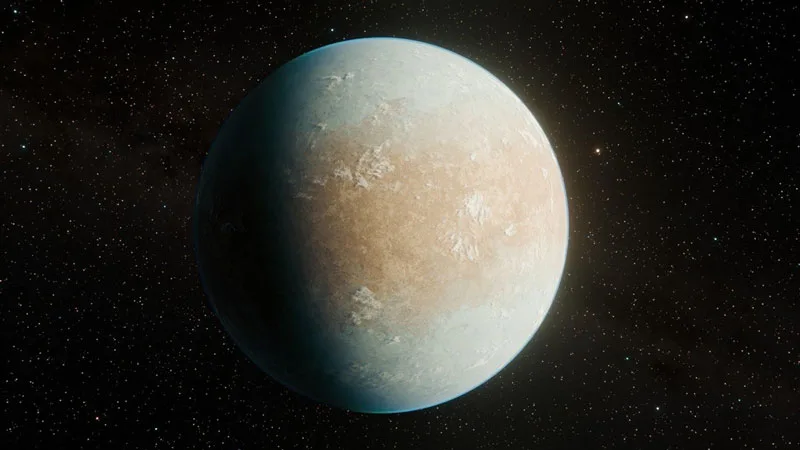
Astronomers Discover Earth-Like Exoplanet With Significantly Colder Climate
A newly found exoplanet resembles Earth in size and orbit but has a much colder climate, colder on average than Mars.
Read More